
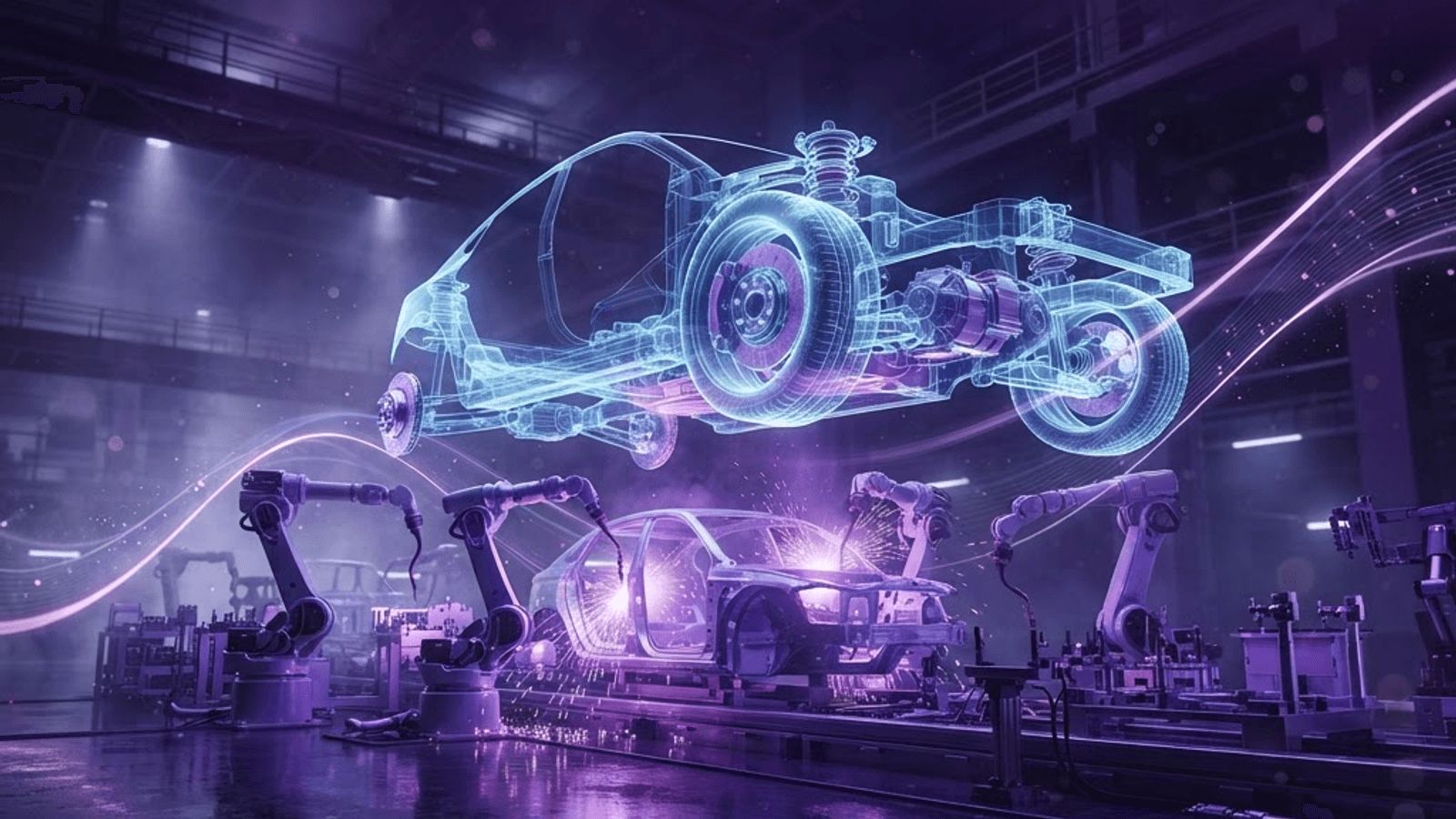
Understanding Spokane's Automotive Manufacturing Landscape
Spokane's automotive manufacturing sector looks nothing like Detroit's, and that difference is the point. Instead of large-scale vehicle assembly, the Inland Northwest has built a network of component producers, specialty vehicle builders, upfitters, and aftermarket manufacturers that serve regional and national markets. The result is a resilient, diversified base less exposed to the boom-and-bust cycles that afflict single-plant towns.
Several structural factors support this activity. Interstate 90 provides efficient freight access to both Seattle and the Midwest. Industrial land costs remain a fraction of West Coast metro pricing. Electricity from the regional hydroelectric system runs well below national averages, which matters for metal forming, welding, and coating operations. And the area's strong trades culture supplies welders, fabricators, and machinists who are genuinely difficult to hire elsewhere.
Specialty and Commercial Vehicle Builders
Some of the most visible automotive manufacturing in Spokane involves specialty vehicle construction. Local builders produce fire apparatus, utility service bodies, agricultural support vehicles, and custom equipment platforms mounted on commercial chassis. This work combines chassis engineering, structural fabrication, hydraulic system integration, and electrical work into finished vehicles built to customer specification.
The economics favor regional builders because specialty vehicles are low-volume and highly customized. A municipal fire district ordering two apparatus wants direct engineering conversation, in-progress inspections, and long-term parts support from a builder it can drive to. Regional manufacturers deliver that relationship in ways national producers structurally cannot.
Component and Subassembly Manufacturers
A quieter but larger segment involves component production feeding into automotive supply chains. Spokane-area machine shops and fabricators produce brackets, housings, suspension components, exhaust assemblies, and drivetrain parts for original equipment manufacturers and Tier 1 suppliers.
These operations typically run computer numerical control machining centers, press brakes, laser cutters, and robotic welding cells. Many hold IATF 16949 certification, the automotive-specific quality standard that governs supplier qualification, and maintain the statistical process control documentation that automotive customers require. Achieving and holding that certification represents a significant investment and separates serious automotive suppliers from general job shops.
Aftermarket and Performance Manufacturing
The Inland Northwest's outdoor recreation culture has fostered a healthy aftermarket manufacturing segment. Local companies produce truck accessories, off-road suspension components, roof racks, towing equipment, trailers, and recreational vehicle modifications. Demand comes from a regional customer base that genuinely uses trucks for hunting, boating, snow travel, and back-country access.
This proximity to actual users creates a product development advantage. Engineers test prototypes on the same forest service roads and mountain passes their customers use, which produces designs validated against real conditions rather than laboratory approximations. Several regional aftermarket brands have grown from local shops into national distribution on exactly this foundation.
Trailer and Towing Equipment Production
Trailer manufacturing represents a substantial piece of Spokane's automotive-adjacent industry. Regional producers build utility trailers, equipment haulers, livestock trailers, and specialty transport units serving agriculture, construction, and recreation markets across the Northwest and northern Rockies.
Freight economics strongly favor regional trailer production. Trailers are bulky and expensive to ship, so a manufacturer within a day's drive of customers holds a durable cost advantage over distant competitors. That geographic protection has allowed Spokane trailer builders to compete effectively while maintaining domestic manufacturing employment.
Electric Vehicle and Advanced Technology Work
The transition toward electrified transportation is generating new activity in the region. Local manufacturers have begun producing battery enclosures, high-voltage cable assemblies, thermal management components, and charging infrastructure hardware. Fabricators with aluminum welding capability and electronics assemblers with high-voltage experience are finding meaningful new demand.
Commercial fleet electrification is a particularly active area. Regional upfitters are converting delivery vans and light trucks, integrating battery systems and controls into existing platforms. This work suits the local skill base well because it demands fabrication, electrical integration, and problem-solving rather than high-volume repetition.
What Distinguishes a Strong Automotive Manufacturing Partner
Quality system maturity is the first filter. Automotive customers operate on the assumption that suppliers maintain documented processes, control plans, measurement system analysis, and corrective action procedures. A manufacturer without this infrastructure will struggle regardless of its machining skill.
Engineering capability separates order-takers from real partners. Manufacturers that employ design engineers can review a part for manufacturability, propose material or geometry changes that reduce cost, and support validation testing. That input often delivers more savings than competitive quoting ever will.
Capacity flexibility matters in an industry with volatile demand. Manufacturers that maintain equipment redundancy, cross-trained operators, and realistic scheduling can absorb volume swings without missing commitments. Ask about current utilization and how the shop handled its last significant demand change.
Industry Trends Affecting Local Manufacturers
Lightweighting continues to drive material substitution across the industry, pushing demand toward aluminum, high-strength steel, and composite components. Manufacturers investing in aluminum welding certification and advanced forming capability are positioning for that shift.
Supply chain regionalization has improved prospects for domestic component producers. After years of disruption, automotive purchasing organizations are placing real value on shorter, more visible supply chains, and Spokane manufacturers benefit from that reassessment.
Automation adoption is accelerating locally as robotic welding and automated material handling become affordable at smaller scales. These investments improve consistency while easing the skilled labor constraints that limit growth for many shops.
Selecting the Right Manufacturer for Your Program
Start by matching capability to actual need. A precision machining specialist and a heavy fabrication shop are both automotive manufacturers, but they solve entirely different problems. Be specific about tolerances, materials, volumes, and finishing requirements when soliciting quotes.
Visit facilities before committing. Observe housekeeping, equipment condition, work-in-process organization, and inspection practices. Talk with floor supervisors, not just sales staff, because their answers reveal how the shop actually operates.
Finally, weigh long-term fit alongside price. Automotive programs run for years, and the supplier relationship will encounter engineering changes, volume shifts, and quality issues. A manufacturer that communicates honestly and solves problems collaboratively is worth considerably more than the lowest bidder.