
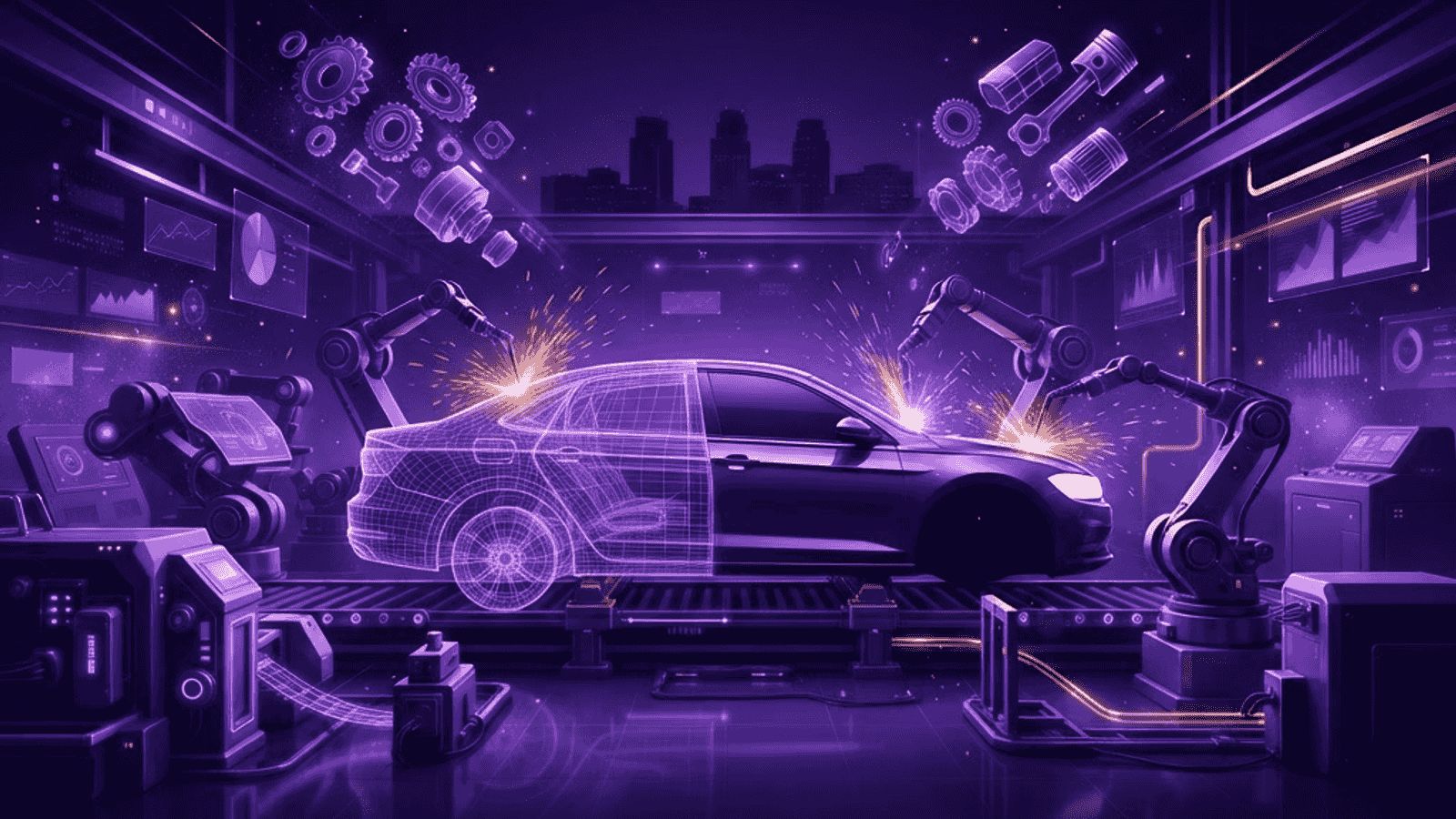
Minnesota's Distinctive Vehicle Manufacturing Sector
Minnesota has not assembled mass-market passenger cars since the closure of the Twin Cities Assembly Plant, yet vehicle manufacturing in the state is larger and more sophisticated than most people realize. It simply concentrates in different categories: powersports and recreational vehicles, transit buses, emergency apparatus, compact construction equipment, truck bodies and trailers, and high-value components such as filtration systems and precision extrusions.
This specialization suits the region well. Minnesota's climate and outdoor culture created domestic demand for snowmobiles, ATVs, and boats. Its agricultural and construction economy supports work vehicle and equipment production. And its deep manufacturing engineering base, precision machining supply chain, and materials expertise let component makers compete globally. The companies below define that landscape.
1. Polaris Inc.
Headquartered in the Minneapolis metro, Polaris is one of the world's leading powersports manufacturers, producing snowmobiles, off-road vehicles, side-by-sides, motorcycles, and pontoon and deck boats. It has invested heavily in electric powertrains, connected vehicle features, and rider technology while maintaining strong engineering capability in the region. Its product development discipline and dealer network make it the anchor of Minnesota's vehicle industry, and its supplier requirements shape much of the local manufacturing base.
2. The Toro Company
Toro, based in the Minneapolis area, manufactures turf maintenance, landscape, snow removal, irrigation, and specialty construction equipment. Its products are self-propelled vehicles with sophisticated hydraulics, drivetrains, engine or battery power systems, and increasingly autonomous operation for golf and grounds applications. Its battery-electric commercial equipment line has grown substantially as municipalities and contractors respond to noise and emissions requirements.
3. Donaldson Company
Donaldson, headquartered in the Minneapolis metro, is a global leader in filtration systems for engines and industrial applications. Its air, fuel, lube, hydraulic, and exhaust aftertreatment products are specified by truck, off-road equipment, and engine manufacturers worldwide. As emissions standards tighten and equipment electrifies, the company has extended into thermal management and filtration for new powertrain architectures, keeping it central to vehicle engineering.
4. Bobcat Company
Bobcat manufactures compact construction equipment including skid-steer and compact track loaders, mini excavators, compact tractors, and utility vehicles, with significant manufacturing operations in Minnesota. Its machines are effectively purpose-built vehicles with complex hydraulic and control systems, and the company has expanded into electric and autonomous compact equipment. Its Minnesota plants and supplier relationships support substantial regional employment.
5. New Flyer of America
New Flyer is a leading North American transit bus manufacturer with major production operations in Minnesota. It builds heavy-duty transit buses in diesel, hybrid, compressed natural gas, battery-electric, and hydrogen fuel cell configurations for transit agencies across the continent. Zero-emission bus adoption has made its Minnesota facilities strategically important, and each vehicle involves extensive customization to individual agency specifications.
6. Rosenbauer America
Rosenbauer America manufactures fire apparatus in Minnesota, producing pumpers, aerial ladders, tankers, and specialty rescue vehicles for departments across the United States. Fire apparatus is essentially bespoke heavy vehicle engineering: each truck is configured to a department's water capacity, pump specification, aerial reach, compartment layout, and equipment mounting requirements, with safety and durability standards that exceed commercial trucking.
7. Arctic Cat
Arctic Cat, with long-established Minnesota manufacturing roots, produces snowmobiles and off-road vehicles engineered specifically for severe winter conditions. Its northern Minnesota production and testing operations give it an authentic development advantage: engineers can validate cold-start performance, track and suspension behavior, and durability in the conditions customers actually ride in. It remains a significant employer and a cornerstone of the state's powersports identity.
8. Alexandria Industries
Alexandria Industries is a Minnesota manufacturer producing aluminum extrusions, precision machined components, and fabricated assemblies for automotive, powersports, transportation, and industrial customers. Lightweighting is a central engineering priority across the vehicle industry, and aluminum extrusion supports battery enclosures, structural members, heat sinks, and chassis components. Its combination of extrusion, machining, and assembly capability lets customers consolidate suppliers.
9. Crysteel Manufacturing
Crysteel Manufacturing builds dump bodies, hoists, and truck equipment in Minnesota for construction, municipal, and agricultural fleets. Work truck upfitting is a substantial and often invisible part of the vehicle industry: a chassis becomes a functional work vehicle only after bodies, hoists, control systems, and accessories are engineered and installed to handle Minnesota loads and winters.
10. Towmaster Trailers
Towmaster manufactures heavy-duty trailers in Minnesota for equipment hauling, construction, municipal, and utility applications. Its trailers are engineered for demanding loading cycles, corrosion resistance under road salt exposure, and compliance with weight distribution and safety regulations. It also produces truck equipment and snow and ice control systems, an important seasonal category in this market.
How to Evaluate a Vehicle Manufacturing Partner
For fleet buyers, total cost of ownership matters far more than purchase price. Ask about expected service life, parts availability, dealer service coverage across your operating area, warranty terms including powertrain and structural coverage, and residual value history. For electric vehicles and equipment, request duty-cycle-specific range data, charging infrastructure requirements, battery warranty and degradation terms, and cold-weather performance figures, because Minnesota winters affect range materially.
For suppliers seeking to serve these manufacturers, expect rigorous qualification. Automotive and vehicle programs typically require formal quality management systems, production part approval processes, statistical process control, documented traceability, and demonstrated capacity to scale. Engineering collaboration capability is often the deciding factor, since manufacturers increasingly expect suppliers to contribute design solutions rather than simply quote drawings.
Trends Reshaping the Sector
Electrification is advancing fastest in transit buses and commercial turf and compact equipment, where duty cycles are predictable and central charging is feasible. Autonomy is arriving first in controlled environments such as golf courses, warehouses, and mining rather than public roads. Lightweight materials and structural aluminum continue to grow with battery integration. Supply chain regionalization has strengthened demand for Midwest component suppliers. And connected vehicle telematics has become standard, giving manufacturers service revenue and fleet operators real utilization data.
Final Thoughts
Minneapolis anchors a vehicle manufacturing sector built on specialization rather than mass-market volume, and that focus has made it resilient. The companies above lead in powersports, transit, emergency apparatus, compact equipment, work truck bodies, filtration, and lightweight components. Fleet buyers should evaluate lifecycle cost and service coverage first, while suppliers should prepare for demanding qualification and expect to contribute engineering value.