
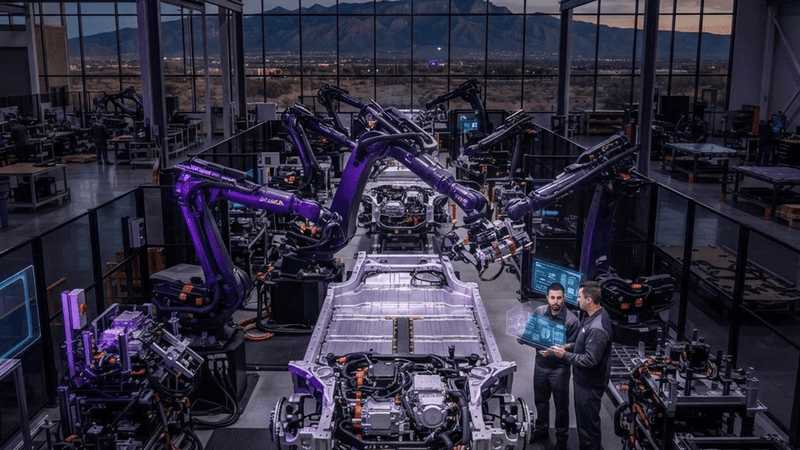
The Automotive Scene in Albuquerque
While Albuquerque is not a traditional automotive giant like Detroit, the city has cultivated a specialized and increasingly influential automotive manufacturing community. Local firms focus less on mass vehicle assembly and more on high-value components, aftermarket products, and emerging mobility technologies. This targeted approach has allowed Albuquerque manufacturers to thrive by serving both national supply chains and regional demand.
The high desert setting and strong industrial infrastructure make the area attractive for automotive suppliers seeking cost-effective operations without sacrificing quality. Manufacturers here benefit from access to skilled machinists, welders, and engineers, along with a logistics network that connects them to major markets across the western United States.
Components, Customization, and Innovation
Albuquerque's automotive manufacturers span several categories. Some specialize in precision-machined parts such as brackets, housings, and drivetrain components that feed into larger assembly operations. Others focus on custom fabrication, producing specialty parts for off-road vehicles, trailers, and commercial fleets. A growing number are engaging with electric mobility, developing battery enclosures, charging components, and lightweight structural parts.
This variety reflects the evolving nature of the automotive industry itself. As vehicles become more electrified and software-driven, the demand for specialized suppliers who can deliver precise, high-quality components has grown. Albuquerque firms are responding with investments in advanced machining, quality control, and materials expertise.
Ten Manufacturers Driving Progress
The leading automotive manufacturers in the region combine technical capability with strong customer relationships. Precision machining shops that hold aerospace-grade tolerances often serve automotive clients who demand exceptional accuracy. Custom fabrication companies build trailers, truck accessories, and specialty equipment tailored to the rugged needs of the Southwest.
Several firms have positioned themselves as partners for electric and alternative-fuel vehicle programs, supplying structural and thermal management components. Others focus on remanufacturing and aftermarket parts, extending the life of vehicles and reducing costs for fleet operators. Together, these companies form a resilient and adaptable automotive manufacturing ecosystem.
What unites the top players is a commitment to reliability. In automotive manufacturing, a single defective part can compromise an entire assembly, so leading Albuquerque firms invest heavily in inspection, testing, and process documentation to ensure consistent results.
Trends Transforming Automotive Manufacturing
The shift toward electrification is the single most significant trend affecting the industry. Local manufacturers are adapting by developing expertise in lightweight materials, battery systems, and precision assemblies suited to electric powertrains. This transition creates opportunities for agile suppliers who can pivot quickly.
Supply chain localization is another important development. As automakers seek to reduce reliance on distant suppliers, regional manufacturers in Albuquerque are well positioned to fill the gap with dependable, domestically produced components. Automation and lean manufacturing practices are further improving efficiency and quality across the sector.
Selecting an Automotive Manufacturing Partner
Businesses evaluating automotive manufacturers in Albuquerque should consider capabilities such as machining precision, material expertise, production capacity, and quality certifications. Experience with your specific vehicle segment, whether commercial, off-road, or electric, can make a meaningful difference in outcomes.
Albuquerque's automotive manufacturers may not build entire cars, but they play a vital role in the broader mobility ecosystem. Their focus on precision, customization, and emerging technologies makes them valuable partners for anyone seeking quality components and reliable production in the Southwest.
A Practical Evaluation Checklist
Before committing to any Albuquerque supplier, create a short list of measurable requirements rather than relying on reputation alone. Ask how the company controls incoming materials, documents production steps, inspects finished work, and handles a nonconforming order. Request representative lead times for prototypes, routine orders, and urgent replacements. Buyers should also clarify minimum order quantities, tooling responsibilities, change-order policies, freight arrangements, and warranty terms. A capable partner will answer these questions clearly and explain where its process is strongest. References from customers with comparable specifications can provide useful context, while a facility visit can reveal organization, equipment condition, safety practices, and the level of attention given to quality.
Location is another practical advantage. Working with a company in the Albuquerque metro can simplify design reviews, sample approvals, and problem solving. Local sourcing may shorten transportation routes, reduce schedule uncertainty, and make smaller replenishment orders more realistic. It also keeps more purchasing activity within New Mexico's economy, supporting skilled jobs and strengthening the network of service providers around manufacturing. Price still matters, but the lowest initial quote may not represent the lowest total cost when delays, rework, inventory, and communication are considered.
Why Albuquerque Remains Competitive
Albuquerque combines research talent, industrial experience, interstate access, and comparatively manageable operating costs. Its position along major regional transportation routes helps companies serve customers across the Mountain West and Southwest. The area's engineering culture encourages practical innovation, while its mix of established businesses and specialist shops gives buyers options for both repeat production and unusual assignments. Workforce development, automation, and closer collaboration between industry and education will be important to future growth. Companies that invest in training, efficient equipment, and transparent quality systems are likely to remain the most dependable choices.
Readers should treat any top-ten guide as a starting point rather than a substitute for due diligence. Capabilities, staffing, certifications, and production schedules can change, and the best company for one project may not be ideal for another. Compare several qualified businesses, provide the same specification to each, and assess the complete proposal. That disciplined approach makes it easier to select an Albuquerque partner that offers the right balance of quality, service, capacity, and long-term value.