
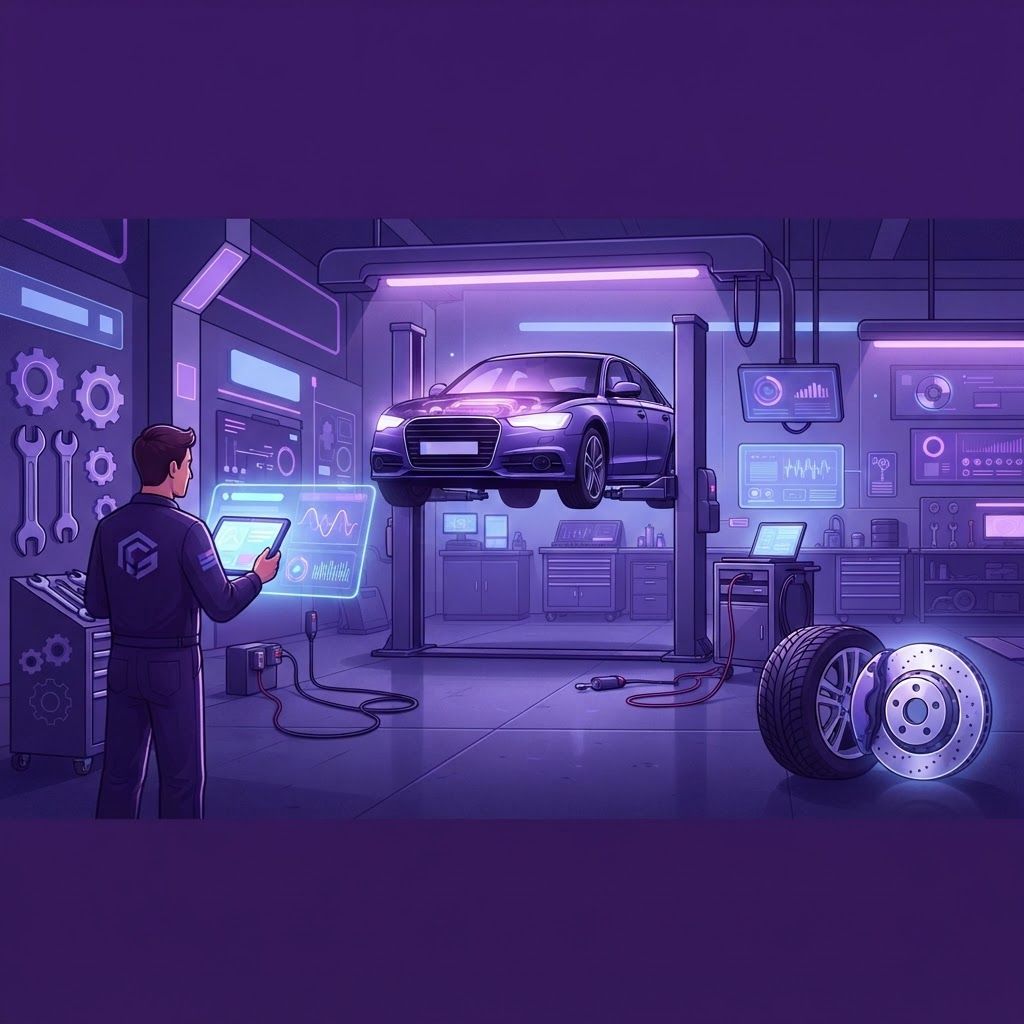
Why Repair Shop Choice Matters More Than Ever
Vehicles have become considerably more complex, and that complexity has changed what a good repair shop looks like. Modern cars carry dozens of networked control modules, advanced driver assistance systems that require calibration after routine work like a windshield replacement or alignment, and turbocharged engines with tighter maintenance tolerances than the naturally aspirated engines they replaced. A shop that cannot access manufacturer service information and perform proper module programming is increasingly limited in what it can do correctly.
Huntsville drivers also face specific conditions. Long commutes from outlying communities put high annual mileage on vehicles. Summer heat is hard on cooling systems, batteries, and air conditioning components. Rapid road construction across the metro means more pothole and suspension damage than the region saw a decade ago. Choosing a shop that understands these patterns saves real money.
The Main Categories of Repair Shops
Dealership service departments have factory tools, training, and warranty authority. Independent full-service shops offer broader value and often stronger relationships. Brand specialists concentrate on specific manufacturers, particularly European. Chain service centers handle routine maintenance and tires efficiently. Specialty shops focus on transmissions, collision repair, diesel, or performance work. Matching the job to the right category prevents both overpaying and misdiagnosis.
1. Franchise Dealership Service Departments
For warranty work, recalls, and complex electronic diagnostics, dealership service departments remain the correct choice. They have factory scan tools, technical service bulletins, and access to software updates that independents may not. Huntsville's major dealership groups maintain substantial service capacity, and for a vehicle still under factory coverage there is rarely a reason to go elsewhere for driveline or electronics work.
2. Independent Full-Service Repair Shops
Well-established independent shops are the backbone of the local repair market. The best combine ASE-certified technicians with modern diagnostic equipment and charge less than dealership labor rates. Their real advantage is continuity: a technician who knows your vehicle's history diagnoses faster and recommends maintenance based on actual condition rather than a generic schedule.
3. European Brand Specialists
Huntsville's professional population owns a significant number of German and other European vehicles, and these require brand-specific tooling and knowledge. Specialists focused on BMW, Mercedes-Benz, Audi, and Volkswagen typically maintain the correct diagnostic software and understand common failure patterns, which shortens diagnostic time considerably compared with a general shop.
4. Christian Brothers Automotive
Franchise independent operations such as Christian Brothers have built local reputations on transparent communication, including digital inspection reports with photographs, written estimates before work begins, and nationwide warranty coverage on repairs. For drivers who value clear documentation over the lowest possible price, this model addresses the trust problem directly.
5. Firestone Complete Auto Care and Tire-Centered Chains
Tire and maintenance chains handle a large share of routine work in Huntsville: tires, alignments, brakes, batteries, and fluid services. Their strengths are availability, standardized pricing, and quick turnaround. Given how much pothole and curb damage local road construction produces, a reliable alignment provider is genuinely useful.
6. Transmission and Drivetrain Specialists
Transmission work is specialized enough that dedicated shops usually outperform generalists. Modern automatics and continuously variable transmissions require precise fluid specifications and adaptive relearn procedures after service. When a shop recommends transmission replacement, a second opinion from a specialist frequently identifies a less expensive repair.
7. Collision Repair and Body Shops
Collision repair has changed substantially with high-strength steel, aluminum panels, and sensor-laden bumpers and windshields. Quality shops follow manufacturer repair procedures and recalibrate driver assistance systems after structural work. Drivers should know they may choose their own shop rather than accepting an insurer's default recommendation.
8. Diesel and Fleet Service Providers
Huntsville's construction growth and commercial activity support a solid diesel and fleet service segment. These shops handle heavy-duty pickups, work vans, and commercial equipment, with the emissions system expertise and lift capacity that lighter-duty shops lack. For contractors, minimizing downtime is the deciding factor.
9. Mobile Mechanics and On-Site Repair Services
Mobile repair services have grown considerably, performing brakes, batteries, starters, alternators, and diagnostics at a customer's home or workplace. For Research Park employees who cannot easily arrange a shop drop-off, the convenience is substantial, though jobs requiring a lift or major disassembly still belong in a facility.
10. Hybrid and Electric Vehicle Service Shops
As hybrid and electric adoption increases across North Alabama, shops with high-voltage training and equipment have become important. This work requires specific safety procedures and tooling, and battery diagnostics differ fundamentally from conventional powertrain troubleshooting. Verifying high-voltage certification before service is worthwhile.
Maintenance That Matters Most Locally
Given Alabama summers, prioritize cooling system service, battery testing before hot months, and air conditioning inspection. Given commute distances, follow oil and filter intervals based on actual mileage rather than time. Given road conditions, check alignment and suspension components annually. Finally, keep records: a documented maintenance history improves resale value and helps any shop diagnose future problems faster.