
Keeping San Mateo Moving
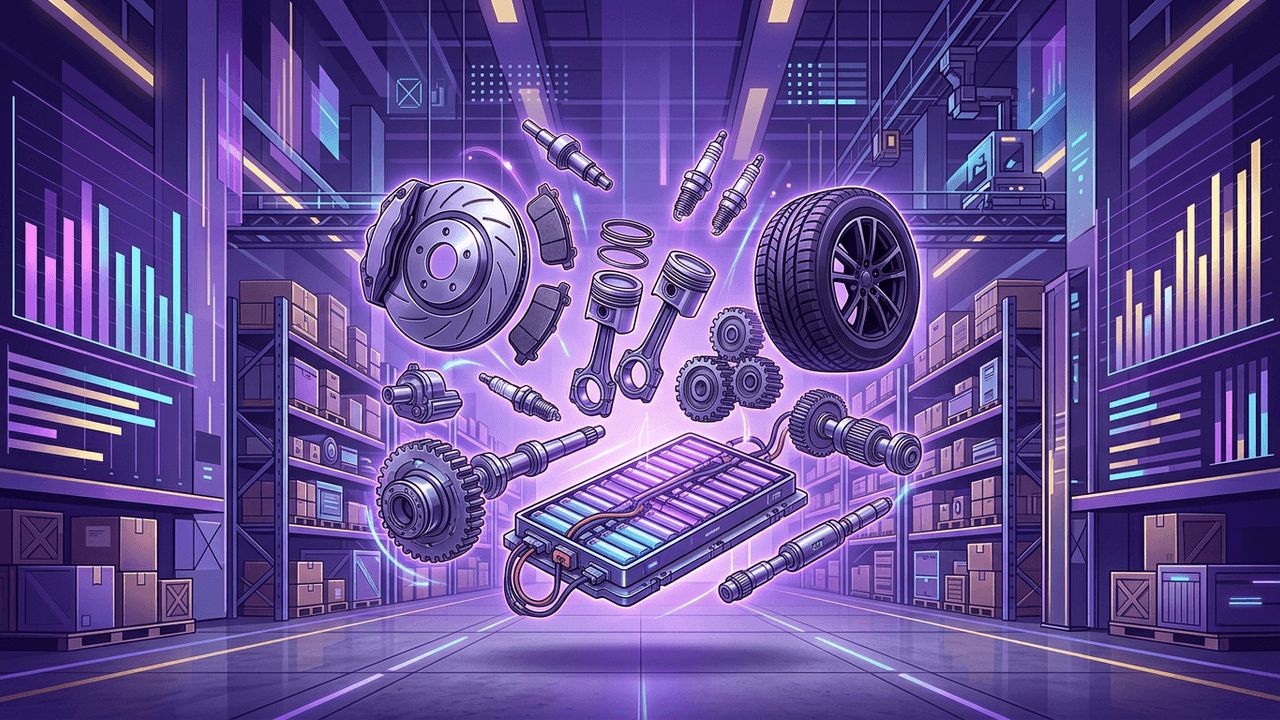
San Mateo drivers depend on a large network of repair shops, dealerships, tire centers, and fleet maintenance facilities. From commuters on Highway 101 to delivery vans and rideshare vehicles, the Peninsula's vehicles need regular maintenance and timely repairs. Auto parts wholesalers make that possible by delivering the right parts quickly, often multiple times per day.
The Peninsula's vehicle mix is notably diverse. European luxury cars, Japanese imports, hybrids, and a fast-growing number of electric vehicles all require specialized parts and expertise.
What Repair Shops Need from Suppliers
Shops need fast delivery, accurate parts lookup, quality brands, competitive pricing, and easy returns. Technical support and training help technicians keep up with advanced driver assistance systems, hybrid powertrains, and electric vehicle components. Reliable wholesalers reduce vehicle downtime and help shops serve more customers.
How We Selected These Wholesalers
We evaluated delivery speed, inventory depth, parts quality, specialization, online ordering tools, and service to San Mateo area shops and fleets.
The Top 10 Auto Parts Wholesalers Serving San Mateo
1. Worldpac
Worldpac, headquartered in the Bay Area, is a leading distributor of original equipment and quality aftermarket parts for import vehicles. Its online catalog and training programs are widely used by independent shops.
2. SSF Imported Auto Parts
SSF Imported Auto Parts, founded in South San Francisco, specializes in parts for European vehicles. Its expertise with brands such as BMW, Mercedes-Benz, Volkswagen, and Volvo makes it a valuable resource for Peninsula shops.
3. NAPA Auto Parts
NAPA Auto Parts supplies professional technicians and do-it-yourself customers with a broad parts selection, shop supplies, and its AutoCare network for independent repair facilities.
4. O'Reilly Auto Parts
O'Reilly Auto Parts offers a strong commercial program with frequent deliveries, a deep inventory, and knowledgeable counter staff serving professional installers.
5. AutoZone Commercial
AutoZone Commercial delivers parts to repair shops and fleets with online ordering and a large network of stores and hub locations.
6. Advance Auto Parts and Carquest
Advance Auto Parts and its Carquest brand serve professional customers with quality parts, technical support, and shop programs designed for independent garages.
7. LKQ
LKQ is a leading provider of alternative and specialty vehicle parts, including recycled original equipment, aftermarket collision parts, and remanufactured components.
8. Parts Authority
Parts Authority is a large independent distributor offering fast local delivery and a wide range of import and domestic parts for professional installers.
9. American Tire Distributors
American Tire Distributors supplies tires and wheels to independent tire dealers and service centers, with logistics support and digital ordering tools.
10. Genuine Parts Company
Genuine Parts Company, the parent of NAPA, supports a vast distribution network that supplies automotive and industrial parts to businesses across the country.
How to Choose an Auto Parts Wholesaler
Evaluate delivery frequency and reliability, since fast turnaround keeps service bays productive. Compare parts quality tiers, warranty coverage, and return policies. Specialized shops should partner with suppliers who stock original equipment or equivalent parts for the brands they service most. Online catalogs that integrate with shop management software can save time and reduce ordering errors.
As electric vehicles grow, ask suppliers about their EV parts availability, high-voltage safety equipment, and technician training programs.
Auto Parts Trends in 2026
Electric vehicles and hybrids are reshaping parts demand, with fewer oil changes but more need for brakes, tires, suspension, and electronic components. Advanced driver assistance systems require calibration equipment and sensors. Distributors are investing in data-driven inventory management and faster local delivery networks to support shops.
Frequently Asked Questions
What is the difference between OEM and aftermarket parts?
Original equipment manufacturer parts are made by or for the vehicle manufacturer and match factory specifications. Aftermarket parts are produced by other companies and vary in quality and price. High-quality aftermarket brands can offer excellent value, while some repairs benefit from OEM parts for fit and performance.
How can independent shops compete with dealerships?
Independent shops can compete by offering personalized service, transparent pricing, convenient scheduling, and specialization in particular vehicle brands. Access to quality parts, diagnostic tools, and technician training from strong wholesale partners helps them deliver dealership-level repairs.
Are EV parts harder to find?
Some electric vehicle components, especially battery and high-voltage parts, may be available primarily through manufacturer channels. However, distributors are expanding EV parts offerings for brakes, suspension, cooling systems, and tires. Shops servicing EVs should build relationships with suppliers investing in this category.
How can fleets reduce parts costs?
Fleets can negotiate national account pricing, standardize vehicle models to simplify inventory, track parts usage, and follow preventive maintenance schedules to avoid costly breakdowns. Working with a supplier that offers fleet programs and reporting tools improves visibility into spending.
Final Thoughts
San Mateo's repair shops and fleets have access to excellent auto parts wholesalers, including specialists with deep local roots. By choosing suppliers with strong inventory, fast delivery, and technical support, Peninsula businesses can keep vehicles safe and customers satisfied.