
The Parts Supply Landscape in St. Louis
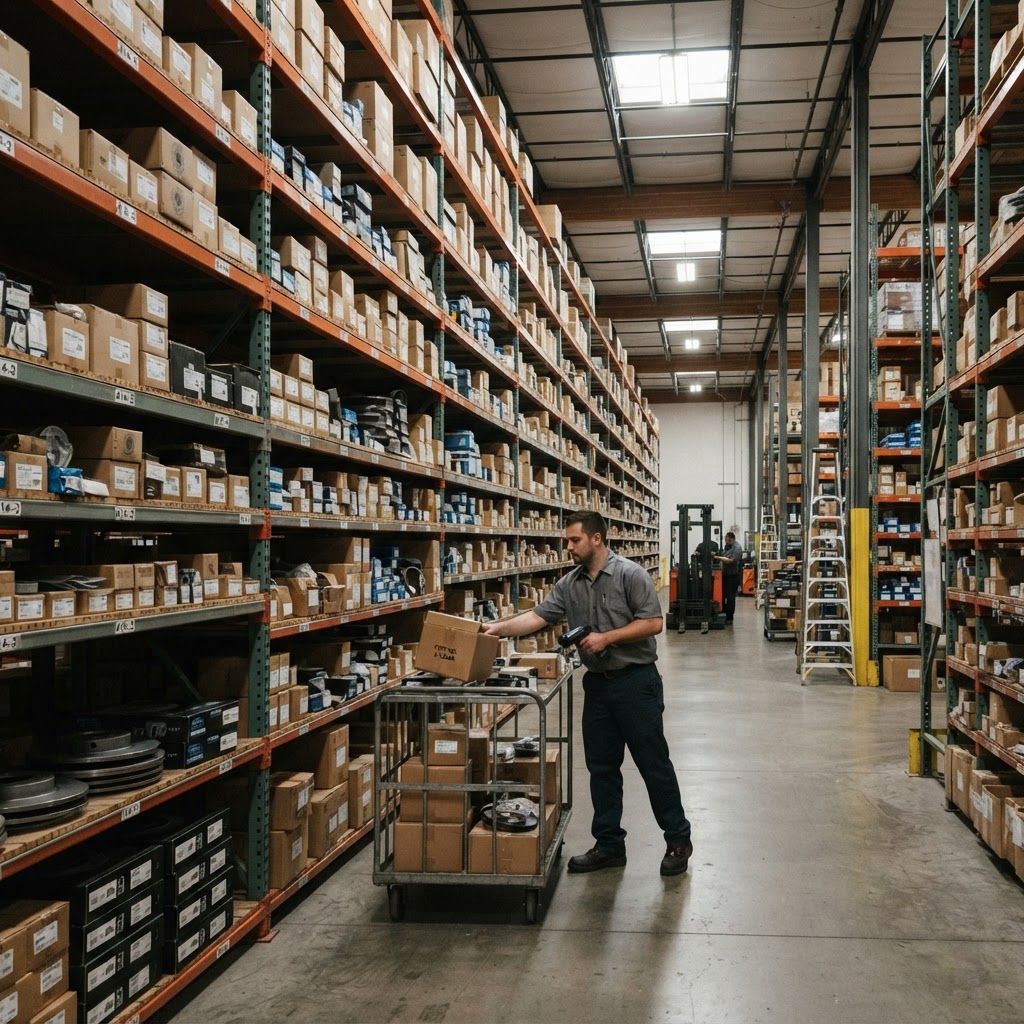
St. Louis has a well-developed automotive parts supply network shaped by its history as a manufacturing and distribution hub. Its position at the intersection of major interstate corridors and rail lines means regional distribution centers can restock local stores quickly, which translates into better same-day availability than many comparable metro areas. For vehicle owners and repair professionals alike, that logistics advantage is the difference between a car returning to service today or sitting for three days.
The market divides into several distinct channels: national retail chains serving do-it-yourself customers, professional distributors supplying repair shops, dealer parts counters providing original equipment components, salvage and recycling operations offering used assemblies, and specialty suppliers focused on performance or heavy duty applications. Understanding which channel fits a given repair is the single most useful skill in parts buying.
Ten Leading Auto Parts Suppliers Serving the Region
1. NAPA Auto Parts maintains a strong presence across the metro area and is the default professional channel for many independent shops. Its catalog depth, particularly on less common applications and heavier duty components, is excellent, and its store staff typically include experienced parts professionals rather than general retail associates.
2. O'Reilly Auto Parts is a Missouri-founded company with dense coverage throughout St. Louis. It combines retail accessibility with a serious commercial delivery operation, and its inventory systems make locating a part across nearby stores straightforward.
3. AutoZone serves the do-it-yourself market effectively with extended hours, loaner tool programs and free diagnostic code reading. For routine maintenance items such as filters, batteries, brake components and fluids, it is a practical and accessible choice.
4. Advance Auto Parts offers competitive pricing on maintenance and repair components and a robust online ordering system with in-store pickup, which reduces the risk of driving across the metro for an item that turns out to be unstocked.
5. Dealer parts departments within groups such as Lou Fusz, Bommarito and Suntrup supply genuine original equipment components. For electronic modules, sensors calibrated to specific vehicle configurations, body panels and interior trim, original equipment sourcing is frequently the only reliable option.
6. LKQ Corporation operates in the region as a major supplier of recycled original equipment and aftermarket collision parts. For older vehicles and insurance-funded repairs, recycled assemblies can reduce cost dramatically while retaining factory fit.
7. Salvage and auto recycling yards across the metro area and surrounding counties serve owners of older vehicles and enthusiasts restoring specific models. Modern yards maintain searchable inventory databases, and pulling a complete assembly rather than individual components often saves both money and labor.
8. Genuine Parts Company distribution operations support the professional supply chain in the region, and their presence is a large part of why local availability is strong. Shops that buy through professional distribution receive same-day multiple daily deliveries, which directly shortens repair cycles.
9. Performance and specialty suppliers in the St. Louis area serve enthusiasts and racers with forced induction components, suspension upgrades, exhaust fabrication and tuning hardware. These suppliers add value through application knowledge, not just inventory, since fitment on modified vehicles rarely follows the catalog.
10. Heavy duty and diesel parts distributors support the region's commercial trucking, construction and agricultural equipment operators. Emissions components, air brake parts and drivetrain assemblies for medium and heavy trucks require this specialized channel.
Choosing Between Original Equipment, Aftermarket and Recycled
Original equipment parts guarantee fit and function and are worth the premium on safety systems, electronic modules, sensors and anything requiring calibration. Quality aftermarket parts from established manufacturers frequently equal or exceed original equipment on wear items such as brake pads, filters, belts and suspension bushings, sometimes with improved materials. Economy aftermarket parts are appropriate for vehicles near the end of their service life but often fail early on components under thermal or mechanical stress.
Recycled original equipment occupies a valuable middle position. A used assembly from a low-mileage donor vehicle offers factory fit at a fraction of new cost, which makes it attractive for body panels, glass, seats, wheels and complete transmissions. The critical variables are donor mileage, inspection quality and warranty terms.
Trends Reshaping Parts Supply
Vehicle electrification is changing inventory mix. Demand for traditional engine components is gradually softening while demand for high-voltage cabling, cooling components for battery thermal management and specialized electronic modules grows. Advanced driver assistance systems have also raised the stakes on glass and bumper replacement, since cameras and radar mounted behind those components require recalibration after service.
Counterfeit and low-quality imported components remain a real concern, particularly for airbag components, brake friction material and electrical parts. Buying through established channels with verifiable manufacturer branding is the practical defense.
Practical Sourcing Advice
Always bring the vehicle identification number rather than relying on year, make and model, because mid-year production changes are common. Compare warranty terms carefully, since a lifetime warranty on a part that requires eight hours of labor to install has limited value. For time-sensitive repairs, call ahead to confirm physical stock rather than trusting online availability. When a component fails prematurely, investigate the root cause before installing an identical replacement, because repeat failures usually indicate an upstream problem.
Cost Management for Fleets and Frequent Buyers
Commercial accounts unlock meaningful discounts, delivery service and dedicated support at most of these suppliers. Fleet operators in the region benefit from standardizing on a primary supplier for predictable pricing while maintaining a secondary relationship for coverage gaps. Keeping a small stock of high-turnover items, such as filters and common brake components, reduces downtime measurably.
Conclusion
St. Louis offers exceptional parts availability across retail chains, professional distribution, dealer counters, recycling operations and specialty suppliers. Matching the sourcing channel to the specific repair, verifying fitment by vehicle identification number and weighing warranty against labor investment will consistently produce better results than defaulting to whichever store is nearest.