
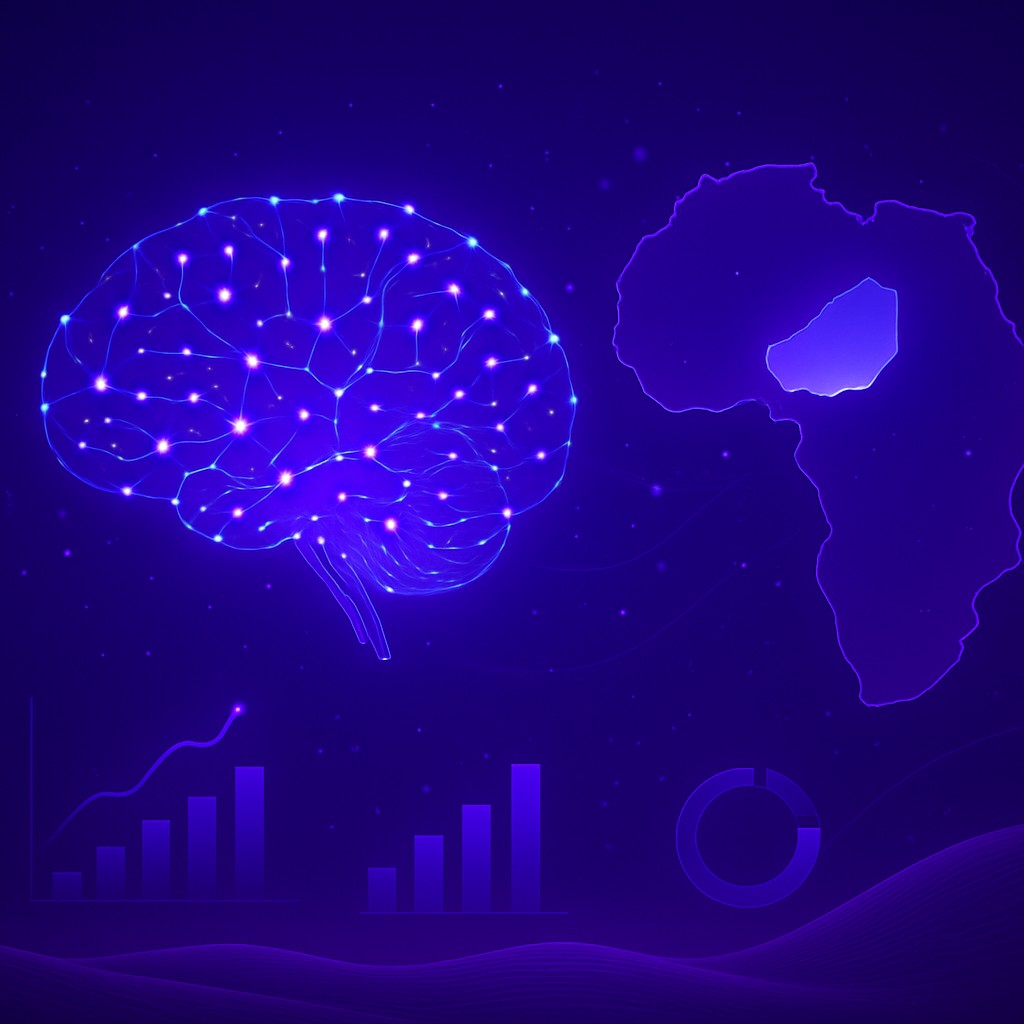
Artificial Intelligence Arrives in Niger
Artificial intelligence is no longer a distant concept reserved for advanced economies. In Niger, a small but determined group of companies is exploring how AI can solve local challenges and unlock new opportunities. While the sector is still in its early stages, the enthusiasm and creativity of these pioneers signal a promising future. From improving crop yields to streamlining customer service, AI applications are gradually finding their place in the Nigerien economy.
The appeal of artificial intelligence lies in its ability to analyse vast amounts of data, recognise patterns, and automate complex tasks. For a country facing challenges such as food security, healthcare access, and resource management, these capabilities hold significant potential. The companies leading this charge are demonstrating that AI can be adapted to local realities rather than imported wholesale from abroad.
Why AI Matters for Niger
Artificial intelligence offers Niger a chance to leapfrog certain stages of development. Instead of relying solely on traditional methods, organisations can use AI to make smarter decisions with limited resources. In agriculture, AI can help predict weather patterns and optimise planting schedules. In healthcare, it can support diagnosis and resource allocation. In business, it can improve efficiency and customer engagement. These possibilities make AI a compelling area of investment and innovation.
Top 10 Artificial Intelligence Companies in Niger
1. Niger AI Labs is at the forefront of applied artificial intelligence, developing solutions that address agricultural and environmental challenges using data-driven models.
2. Sahel Intelligence focuses on natural language processing tools designed to work with local languages, expanding access to AI-powered services.
3. Niamey Cognitive Systems builds intelligent automation tools that help businesses streamline repetitive tasks and improve productivity.
4. Tenere AI specialises in computer vision applications, with projects ranging from crop monitoring to quality inspection.
5. Dunes Intelligent Solutions develops predictive analytics platforms that help organisations anticipate trends and make informed decisions.
6. BrightMind Niger applies AI to education, creating adaptive learning tools that personalise instruction for students.
7. Sahara Smart Tech focuses on AI-powered customer service solutions, including chatbots and virtual assistants tailored to local businesses.
8. Zinder AI Group works on data analysis and machine learning projects for regional enterprises seeking to harness their data.
9. Horizon Cognitive Niger explores AI applications in healthcare, supporting better diagnosis and resource planning.
10. Tamesna Intelligence rounds out the list with research-driven AI solutions and a commitment to building local expertise in machine learning.
Challenges Facing AI Adoption
Despite its promise, artificial intelligence faces real obstacles in Niger. Access to large, high-quality datasets is limited, which can constrain the development of accurate models. Computing infrastructure and reliable electricity are not always available, complicating the training and deployment of AI systems. There is also a shortage of specialised talent, as AI expertise remains scarce and highly sought after globally.
However, these challenges are gradually being addressed. International collaborations, online learning resources, and growing interest from universities are helping to build local capacity. Companies that invest in training and partnerships are positioning themselves to overcome these barriers and lead the sector forward.
The Importance of Local Context
One of the most valuable contributions of Niger's AI companies is their focus on local relevance. AI solutions developed elsewhere often fail to account for regional languages, cultural practices, and infrastructure realities. By building tools that reflect the Nigerien context, these companies ensure that artificial intelligence delivers genuine value rather than superficial novelty. This localised approach increases adoption and maximises impact.
Looking to the Future
The future of artificial intelligence in Niger depends on continued investment, education, and collaboration. As more young people gain skills in data science and machine learning, the talent pool will expand. As infrastructure improves, the practical deployment of AI will become easier. The companies highlighted here are pioneers, and their early efforts will help shape an ecosystem capable of supporting broader innovation.
Ethical and Responsible AI
As artificial intelligence becomes more influential, questions of ethics and responsibility grow in importance. AI systems can inadvertently reflect biases present in their training data, leading to unfair outcomes. They can also raise concerns about privacy when handling personal information. Forward-thinking AI companies in Niger recognise these risks and strive to build systems that are transparent, fair, and respectful of users. By engaging communities, testing for bias, and protecting data, they aim to ensure that AI benefits society broadly rather than serving narrow interests.
Responsible deployment also means setting realistic expectations. AI is a powerful tool, but it is not a cure-all. The most credible companies are honest about what their systems can and cannot do, avoiding inflated promises. This integrity builds trust with clients and the public, which is essential for the long-term acceptance and success of artificial intelligence in Niger.
Conclusion
Artificial intelligence in Niger is a story of ambition and adaptation. Though the sector is young, the companies leading it are demonstrating real ingenuity in applying advanced technology to local needs. As the ecosystem matures, AI has the potential to contribute meaningfully to agriculture, healthcare, education, and business, helping Niger build a smarter and more resilient future.