
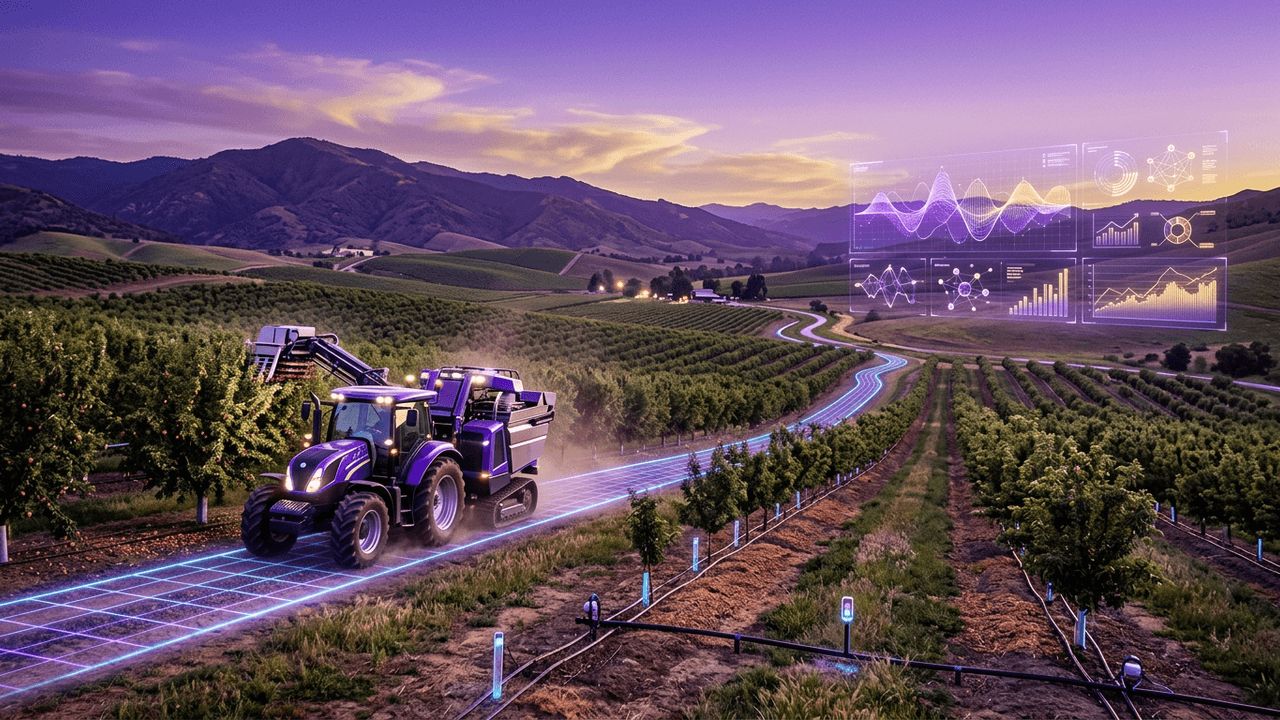
Equipment That Powers Tulare County Farms
Farming in Visalia and the surrounding Tulare County region is intensive, specialized, and increasingly mechanized. Orchards of citrus, walnuts, pistachios, and almonds require tractors, sprayers, shakers, sweepers, and harvesters. Dairies need feed equipment and loaders. Vineyards and row crops depend on precise tillage and planting tools. Irrigation systems conserve water, and wind machines protect citrus from winter frost.
Choosing the right equipment brand affects productivity, fuel costs, labor needs, and resale value. Local dealer support is equally important, since downtime during harvest can be extremely costly. The brands on this list are widely used across the Central Valley and supported by established dealer networks.
How We Selected These Brands
We evaluated durability, performance in Central Valley crops, technology features, dealer support in the region, and reputation among local growers. The list includes tractor manufacturers, specialized harvest equipment makers, irrigation leaders, and frost protection specialists.
The Top 10 Agricultural Equipment Brands in Visalia
1. John Deere
John Deere is the most recognized agricultural equipment brand in the world. Its tractors, utility vehicles, and precision agriculture technology are common across Tulare County. Deere's specialty orchard and vineyard tractors are designed for narrow rows, while its guidance and data platforms help growers improve efficiency.
2. Case IH
Case IH offers powerful tractors, harvesting equipment, and precision farming systems. Its Farmall utility tractors and specialty models are popular in orchards and vineyards. Farmers appreciate Case IH's comfortable cabs, reliable engines, and advanced guidance options.
3. New Holland
New Holland produces tractors, hay equipment, and specialty machines for orchards and vineyards. Its compact and specialty tractors are well suited to tree crop operations, and its hay tools serve dairies that grow their own forage. New Holland's focus on operator comfort and efficiency makes it a strong choice.
4. Kubota
Kubota is known for compact and mid-size tractors, utility vehicles, and construction equipment. Its reliable diesel engines and easy maintenance make it popular with small and mid-size farms, ranches, and dairies. Kubota's growing lineup of larger tractors has expanded its role in commercial agriculture.
5. Massey Ferguson
Massey Ferguson, part of AGCO, builds tractors and hay equipment known for value and dependability. Its specialty tractors are designed for orchards and vineyards. Farmers appreciate its straightforward controls and competitive pricing.
6. Flory Industries
Flory Industries is a California manufacturer of nut harvesting equipment, including sweepers, harvesters, and conditioners. Its machines are a mainstay in almond, walnut, and pistachio orchards throughout the Central Valley. Being based in California, Flory designs equipment specifically for local crops and conditions.
7. Weiss McNair
Weiss McNair is another California-based manufacturer of orchard harvesting equipment, including sweepers, harvesters, and brush shredders. Its innovations in dust reduction align with air quality regulations in the San Joaquin Valley. Growers value its durable designs and responsive support.
8. Netafim
Netafim is a global leader in drip and micro-irrigation technology. Its systems help growers deliver water and nutrients efficiently to trees and crops. With groundwater regulations tightening, Netafim's technology plays a critical role in sustainable farming in Tulare County.
9. Valley Irrigation
Valley Irrigation manufactures center pivot and linear move irrigation systems along with remote monitoring technology. Its systems are used for forage crops and field crops that support dairies and livestock. Remote management tools help farmers control irrigation from smartphones and reduce labor.
10. Orchard-Rite
Orchard-Rite is a leading manufacturer of wind machines used for frost protection. These towering fans are a familiar sight in Tulare County citrus groves, where they mix warmer air above the orchard with colder ground-level air during freezing nights. Orchard-Rite machines help protect valuable citrus crops from winter damage.
Agricultural Equipment Trends
Automation is accelerating, with autonomous tractors, robotic harvesting, and smart sprayers that detect trees and apply chemicals only where needed. Emissions regulations in the San Joaquin Valley are driving adoption of cleaner engines and electric equipment, supported by incentive programs. Data integration allows growers to connect equipment, irrigation, and field data for better decision making. Dust-reducing harvest equipment is also becoming more important for air quality compliance.
How to Choose Agricultural Equipment
Match equipment to your crop type, acreage, and row spacing. Evaluate dealer proximity and service capabilities, as quick repairs are essential during harvest. Consider total cost of ownership, including fuel, maintenance, and resale value. Explore incentive programs for cleaner engines and water-efficient irrigation. Test equipment in your own orchards or fields whenever possible before purchasing.
Frequently Asked Questions
Are there incentives for replacing old farm equipment?
Yes. San Joaquin Valley air quality programs have offered incentives to replace older diesel tractors and equipment with cleaner models. Check with local dealers about current funding.
Should I buy new or used equipment?
Used equipment can offer strong value for smaller operations, but new machines provide warranties, better fuel efficiency, and modern technology that may reduce long-term costs.
How important is precision technology for orchards?
Guidance systems, smart sprayers, and yield mapping help growers reduce input costs and improve consistency, making them increasingly valuable even for mid-size orchards.
Final Thoughts
Visalia's agricultural success depends on reliable, innovative equipment. These ten brands offer the performance, technology, and support that local farmers need to stay productive, efficient, and competitive in one of the world's most important farming regions.