
Farm Equipment Needs in the Tacoma Region
Equipment decisions around Tacoma look different from those in the Midwest or eastern Washington. Farms here are typically smaller, fields are often irregular, soils stay wet well into spring, and cropping is diversified rather than monoculture. That combination favors compact tractors with good traction, implements sized for tight headlands, and machinery that handles heavy moist soil without compacting it into concrete.
Berry and vegetable operations in the Puyallup Valley need specialized harvest and cultivation tools. Dairies require forage handling and manure management equipment. Nurseries need material handling and irrigation systems. Urban and small diversified farms often rely on walk-behind tractors and hand tools that would be irrelevant on a thousand-acre operation. The equipment market has adapted accordingly.
How to Evaluate an Agricultural Equipment Brand
Dealer support outweighs brand prestige. A machine is only as good as the parts pipeline and service technicians behind it, and in a compressed Northwest planting window a week of downtime can cost an entire succession. Before choosing a brand, confirm which local dealers carry it, how deep their parts inventory runs for those models, and how quickly field service responds during peak season.
Beyond support, weigh implement compatibility with equipment you already own, hydraulic and PTO capacity for the tasks you actually perform, operator comfort for long days, and resale value. Compact and specialty machines hold value well in this region because demand consistently exceeds supply. Emissions tier compliance and diagnostic accessibility also matter, particularly if you prefer to handle your own maintenance.
Top 10 Best Agricultural Equipment Brands in Tacoma
1. Rainier AgriWorks — A regional brand building compact utility tractors and loaders engineered for wet Northwest soils. Their strength is dealer-level support and parts availability, which growers consistently rank above headline horsepower figures.
2. Puget Precision Machinery — Focuses on precision agriculture systems including GPS guidance, variable-rate application, and yield monitoring retrofits. Their retrofit approach lets growers modernize existing tractors instead of replacing entire fleets.
3. Commencement Bay Tillage Tools — Produces cultivators, bed shapers, and reduced-tillage implements suited to vegetable and berry ground. Build quality on wear parts and straightforward replaceability keep long-term operating costs predictable.
4. Evergreen Harvest Systems — Specializes in berry and vegetable harvest aids, conveyors, and field-packing equipment. Their designs prioritize gentle handling, which directly affects the shelf life and grade of delicate crops.
5. Northwest Forage & Dairy Equipment — Mowers, mergers, balers, and silage handling equipment for dairy and hay producers. Reliability during narrow dry windows between rain events is the practical measure customers judge them on.
6. Harbor Irrigation Technologies — Drip, micro-sprinkler, and pump systems with filtration and controls. Water use efficiency has become a genuine concern even in western Washington as summers grow drier, making their design assistance increasingly valuable.
7. Pacific Greenhouse Systems — Structures, environmental controls, benching, and automation for greenhouse and nursery growers. Integration between climate control and irrigation reduces both energy consumption and crop loss.
8. Tideflats Compact & Walk-Behind Tools — Two-wheel tractors, powered cultivators, and hand-scale implements for urban and small diversified farms. This category is often ignored by major manufacturers yet essential to the region's fastest-growing farm segment.
9. Foss Livestock Handling Equipment — Chutes, gates, feeders, and fencing systems designed for safe animal handling. Sound design reduces both animal stress and worker injury risk, which pays back in ways that never appear on an invoice.
10. South Sound Electric Farm Machinery — Battery-electric compact tractors, utility vehicles, and tools. Quiet operation and zero local emissions suit urban farms, greenhouse interiors, and operations near residential neighborhoods where noise ordinances apply.
Technology Trends in Farm Equipment
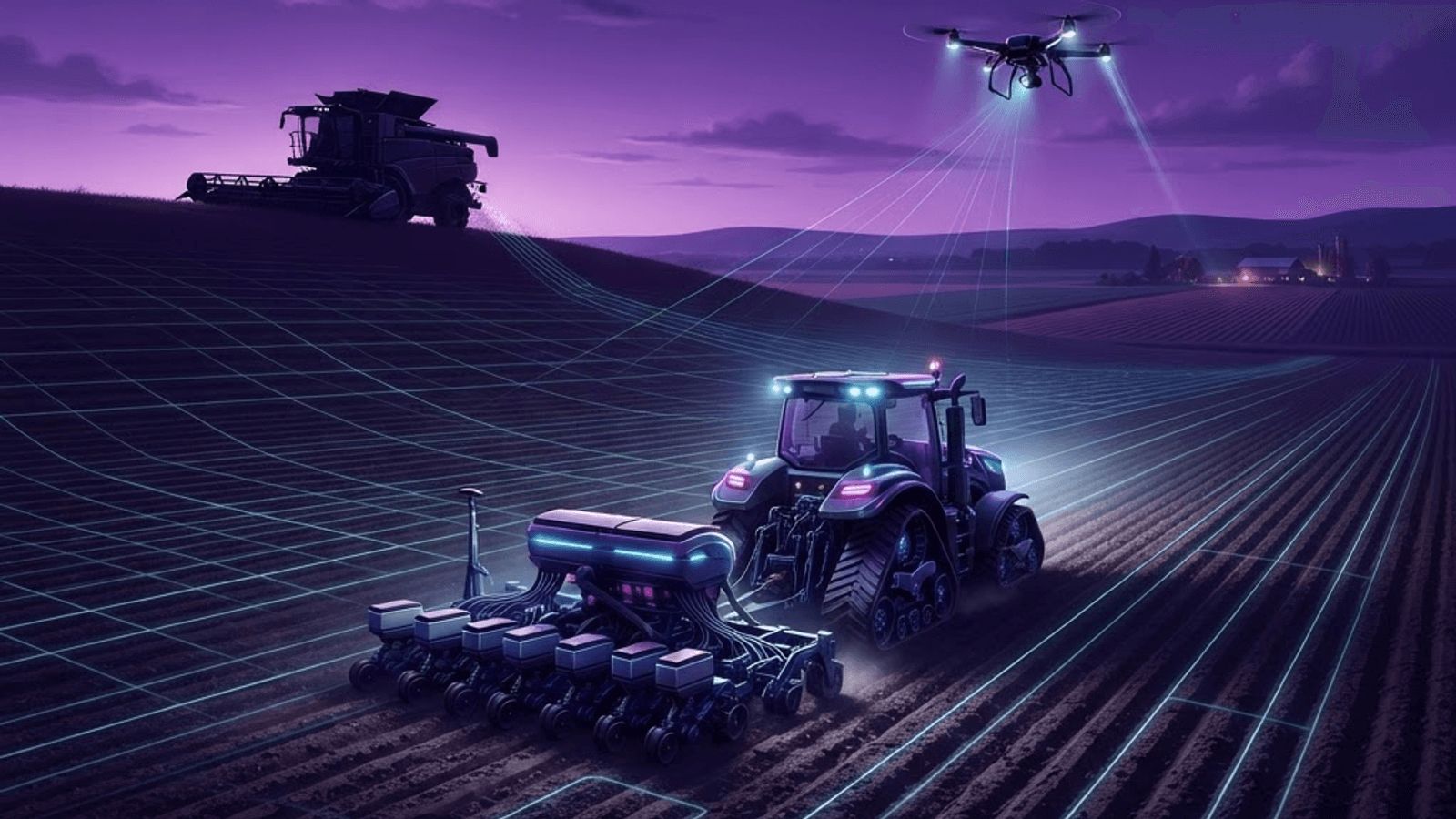
Precision agriculture has moved down-market. GPS guidance, section control, and variable-rate application were once justified only on large acreage; retrofit kits now make them viable on small diversified farms where input savings are proportionally significant.
Electrification is advancing fastest in compact and utility categories, where duty cycles fit battery capabilities and where noise and emissions constraints are real. Autonomous and semi-autonomous implements for weeding and monitoring are entering commercial use, addressing the persistent labor shortage. Meanwhile, right-to-repair pressure is gradually improving diagnostic access, an important issue for growers who cannot wait days for a dealer visit during harvest.
Making a Sound Purchase Decision
Match equipment to your actual field conditions and acreage rather than aspirational growth. Oversized machinery compacts wet soil, damages beds, and consumes capital better spent elsewhere. Undersized equipment fails under sustained load. Ask for a demonstration in comparable soil conditions, ideally on your own ground.
Verify parts lead times for wear items specifically, not the catalog average. Confirm how many local technicians are trained on the model. Investigate financing and whether used or refurbished units carry meaningful warranty. Consider shared ownership or custom-hire arrangements for equipment used only a few days each year, which is common and sensible among smaller Northwest farms. And factor resale into the decision, because equipment that holds value effectively lowers your cost of trying something new.
Final Thoughts
The equipment brands serving Tacoma-area growers best are those built for small-parcel, wet-soil, diversified farming, backed by dealers who answer the phone during harvest. Prioritize service coverage, implement compatibility, and honest sizing over brand reputation, and your machinery becomes a productivity multiplier rather than a seasonal liability.