
Machinery That Powers Northern Illinois Farms
The fields surrounding Rockford produce large harvests of corn and soybeans, along with hay, small grains, and specialty crops. Modern farming at this scale depends on reliable, high-tech equipment. Tractors, combines, planters, sprayers, and tillage tools represent huge investments, so farmers choose brands carefully based on performance, dealer support, technology, and resale value.
Illinois has deep ties to the equipment industry. John Deere was founded in Grand Detour, just south of Rockford, and Moline remains its global headquarters. Here are ten agricultural equipment brands that stand out for farmers in the Rockford region.
The Top 10 Agricultural Equipment Brands for Rockford Farmers
1. John Deere
No brand is more closely associated with Illinois farming than John Deere. Its tractors, combines, planters, and sprayers dominate many local operations. Deere's precision agriculture technology, including autosteer, See and Spray, and its Operations Center software, helps farmers reduce input costs and manage data across every field.
2. Case IH
Case IH is known for its powerful Magnum and Steiger tractors and its Axial-Flow combines. Many Rockford-area farmers prefer its red machines for their comfort, fuel efficiency, and harvesting performance. Its AFS precision technology supports guidance and data management.
3. New Holland
New Holland offers a broad lineup of tractors, hay equipment, and combines. It is especially popular with livestock and hay producers thanks to its balers and mowers. The brand's reputation for reliability and ease of use makes it a strong choice for mid-sized farms.
4. Kubota
Kubota is a leader in compact and utility tractors, ideal for hobby farms, orchards, and landscaping. Its dependable diesel engines and versatile attachments are common on acreages across Winnebago and Boone counties. Kubota has also expanded into larger tractors for commercial farms.
5. Fendt
Fendt, part of AGCO, is renowned for engineering excellence and its continuously variable transmissions. Its high-horsepower tractors deliver smooth, efficient operation and are gaining ground with large-scale Midwest growers who value advanced technology.
6. Massey Ferguson
Another AGCO brand, Massey Ferguson offers tractors, combines, and hay tools with a focus on value and simplicity. Its wide range of horsepower options suits farms of many sizes, and its global heritage gives it a loyal following.
7. CLAAS
CLAAS is a European manufacturer famous for its Lexion combines and Jaguar forage harvesters. Its high-capacity harvesting equipment appeals to large grain operations and custom harvesters who need maximum throughput during tight harvest windows.
8. Kinze
Iowa-based Kinze is a respected name in planters and grain carts. Its planters are known for accurate seed placement and durability, and its innovations in multi-hybrid planting help farmers match seed to soil conditions across a field.
9. Great Plains
Great Plains builds drills, planters, and tillage equipment designed for conservation farming. Its vertical tillage tools and no-till drills help farmers protect soil while maintaining productivity, which aligns with growing conservation practices in northern Illinois.
10. Vermeer
Vermeer is well known for round balers, hay tools, and specialty equipment. Livestock producers and hay growers around Rockford depend on its balers for dependable performance and high-quality bales.
Trends in Agricultural Equipment
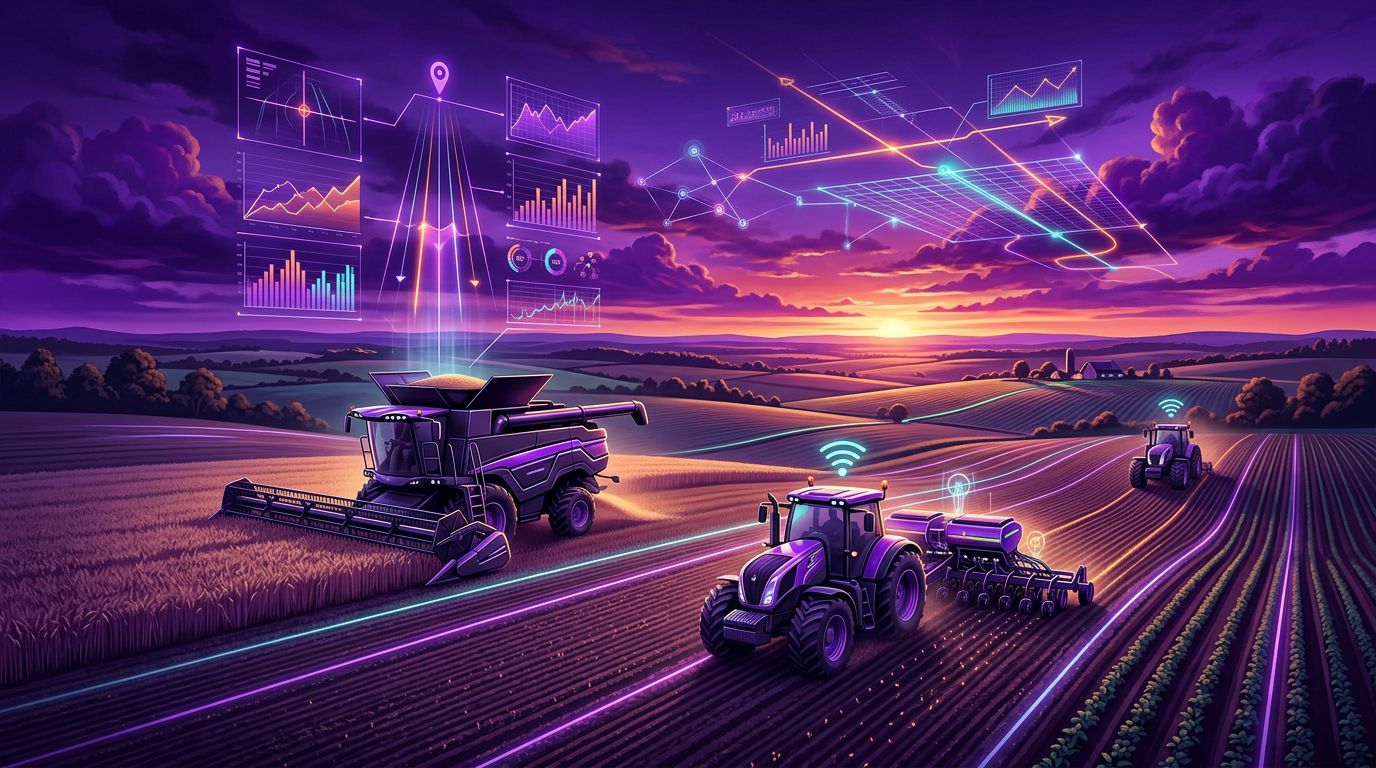
Automation and data are reshaping farm machinery. Autosteer is now standard on many tractors, and manufacturers are developing autonomous machines that can work fields with minimal supervision. Targeted spraying technology uses cameras to apply herbicide only where weeds appear, reducing chemical use. Connectivity allows equipment to send performance data to dealers for predictive maintenance. Electrification and alternative fuels are also being explored, especially for smaller machines.
How to Choose the Right Equipment Brand
Dealer support is often the deciding factor, because fast service and parts availability during planting and harvest are critical. Consider compatibility with your existing precision agriculture systems and data platforms. Evaluate total cost of ownership, including fuel efficiency, maintenance, and resale value. Finally, test equipment in local field conditions whenever possible, since soil types and crop mixes vary across the region.
Frequently Asked Questions
Should farmers buy new or used equipment?
It depends on budget, acreage, and technology needs. New equipment offers the latest precision features and warranties, while well-maintained used machines can deliver excellent value, especially for smaller operations or backup units.
Why does dealer support matter so much?
Planting and harvest windows are short. A dealer with fast parts availability, skilled technicians, and field service trucks can prevent costly delays when a breakdown happens at the worst possible moment.
Can equipment from different brands share data?
Increasingly, yes. Many manufacturers support industry data standards and third-party platforms, allowing farmers with mixed fleets to combine planting, application, and yield data in one place.
Conclusion
From iconic green tractors with roots just down the road to European harvesting giants and specialized planter makers, farmers around Rockford have access to world-class equipment. The right brand, backed by strong local dealer support, helps farms stay productive, efficient, and competitive in a changing agricultural landscape.