
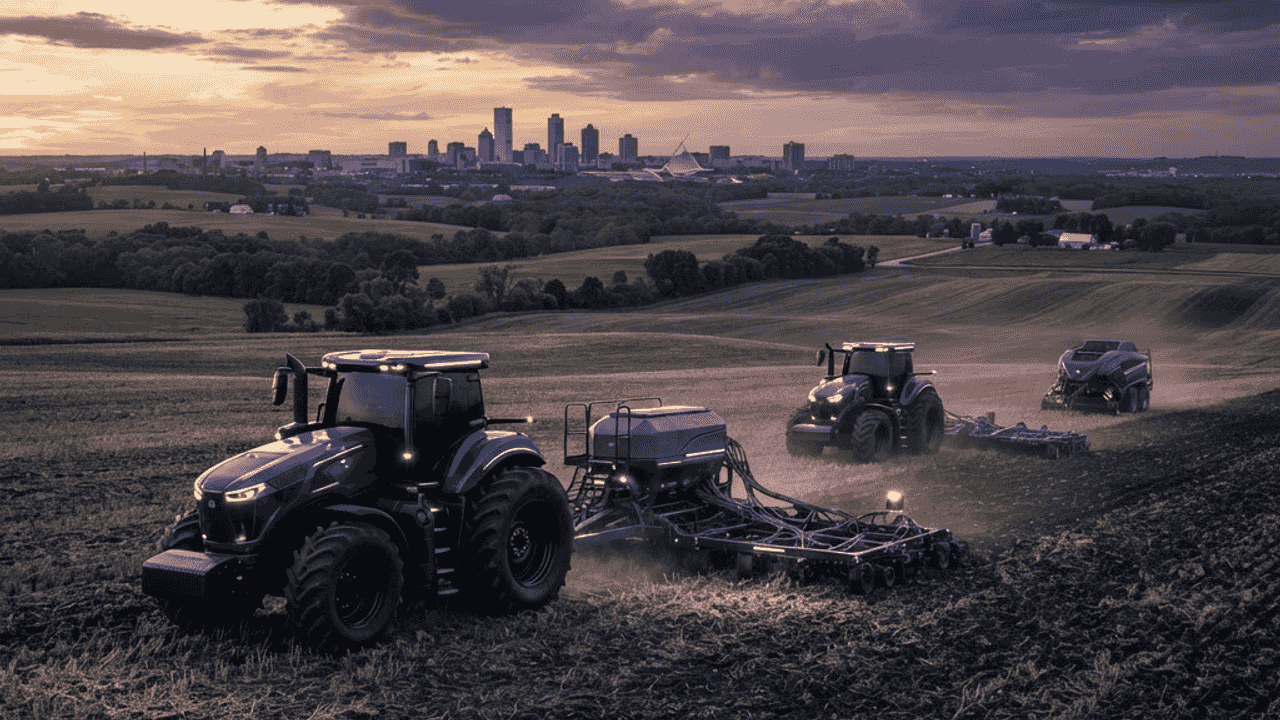
Equipping Wisconsin's Farms
Wisconsin's agricultural strength depends on reliable, high-performance machinery, and the Milwaukee region serves as a gateway to the equipment that keeps the state's farms productive. From tillage and seeding implements to hay and forage machinery, agricultural equipment brands provide the tools that farmers rely on through demanding planting and harvest seasons. The durability and efficiency of this equipment directly affect farm profitability and food production.
The region's connection to agricultural manufacturing is deep, with several respected brands designing and producing machinery engineered for the specific conditions of Midwestern farming. These brands combine engineering expertise with a practical understanding of the challenges farmers face.
Leading Agricultural Equipment Brands
Kuhn North America is a prominent manufacturer known for hay and forage machinery, serving livestock and dairy operations that are central to Wisconsin agriculture. Its equipment is engineered for reliability and performance in the field, supporting the efficient harvest and handling of forage crops.
Brillion Farm Machinery is another respected Wisconsin brand, recognized for seedbed preparation and seeding implements. Its tillage and seeding equipment helps farmers establish healthy crops with precision and efficiency. Together, brands like these represent the strong tradition of agricultural manufacturing in the region and provide farmers with dependable, purpose-built machinery.
Innovation and Precision Agriculture
The agricultural equipment industry is undergoing a technological transformation, and leading brands are at the forefront. Precision agriculture technologies, including GPS-guided equipment, variable-rate application, and data-driven farm management, are helping farmers increase yields while reducing input costs and environmental impact.
Modern equipment increasingly integrates sensors, automation, and connectivity, allowing farmers to monitor performance and make informed decisions in real time. Brands that embrace these innovations while maintaining rugged reliability are earning strong loyalty among forward-thinking farmers.
Durability and Support
Farming is demanding work, and equipment must withstand heavy use in challenging conditions. The best agricultural equipment brands are known for building durable machinery that delivers years of dependable service. Just as important is the availability of parts, service, and technical support, which minimize downtime during critical windows.
Strong dealer networks and responsive support are essential differentiators. Farmers value brands that stand behind their equipment with accessible service, readily available parts, and knowledgeable technicians who understand their operations.
Industry Trends Shaping the Market
Several trends are influencing the agricultural equipment sector. Sustainability is driving demand for equipment that improves efficiency, reduces fuel consumption, and supports conservation practices such as reduced tillage. Automation and robotics are gaining traction, promising to address labor challenges and further enhance precision.
Farmers are also increasingly focused on total cost of ownership, weighing durability, fuel efficiency, resale value, and support alongside purchase price. Brands that deliver strong long-term value are well positioned in this environment.
Choosing the Right Equipment
Selecting agricultural equipment is a significant investment, and farmers benefit from evaluating brands carefully. Key considerations include reliability, suitability for specific crops and operations, availability of service and parts, and the strength of the dealer relationship. Demonstrations, references, and total-cost analysis all inform sound decisions.
The leading agricultural equipment brands serving the Milwaukee region have earned their reputations through engineering excellence, durability, and support. By equipping Wisconsin's farms with reliable, innovative machinery, these brands play an essential role in sustaining the state's agricultural success and its contribution to the nation's food supply.
How to Evaluate the Organizations in This Guide
A useful ranking should be treated as a starting point rather than a substitute for careful evaluation. Needs vary by buyer, project, budget, and neighborhood, so the best fit is often the organization whose capabilities align most closely with a reader's priorities. Reputation, years of service, responsiveness, transparency, and demonstrated knowledge of the Milwaukee market are all meaningful signals. Prospective customers or supporters should also consider how clearly an organization explains its processes, how consistently it delivers on commitments, and whether its team can answer detailed questions without pressure.
Milwaukee-specific experience matters because local conditions shape demand. Winter weather, regional transportation patterns, the city's industrial heritage, and the needs of surrounding southeastern Wisconsin communities can all influence service, inventory, timing, and outcomes. Organizations with strong local relationships are often better prepared to anticipate these factors. At the same time, larger regional or national operators may bring broader resources, specialized technology, and greater purchasing power. Comparing both types creates a more balanced shortlist.
Before making a final decision, readers should define their must-have requirements and compare several candidates using the same criteria. For commercial purchases, this may include lead times, minimum orders, warranties, delivery coverage, quality controls, and after-sale support. For services or community organizations, it may include program effectiveness, accessibility, financial stewardship, and measurable local impact. Asking for current documentation, references, or a clear scope of work can prevent misunderstandings.
The Milwaukee market continues to evolve, and availability, leadership, programs, and product lines may change over time. A thoughtful review of current capabilities will help readers turn this guide into a practical decision-making tool. The strongest organizations are rarely defined by a single feature; they earn trust through a combination of quality, consistency, local understanding, and long-term value.