
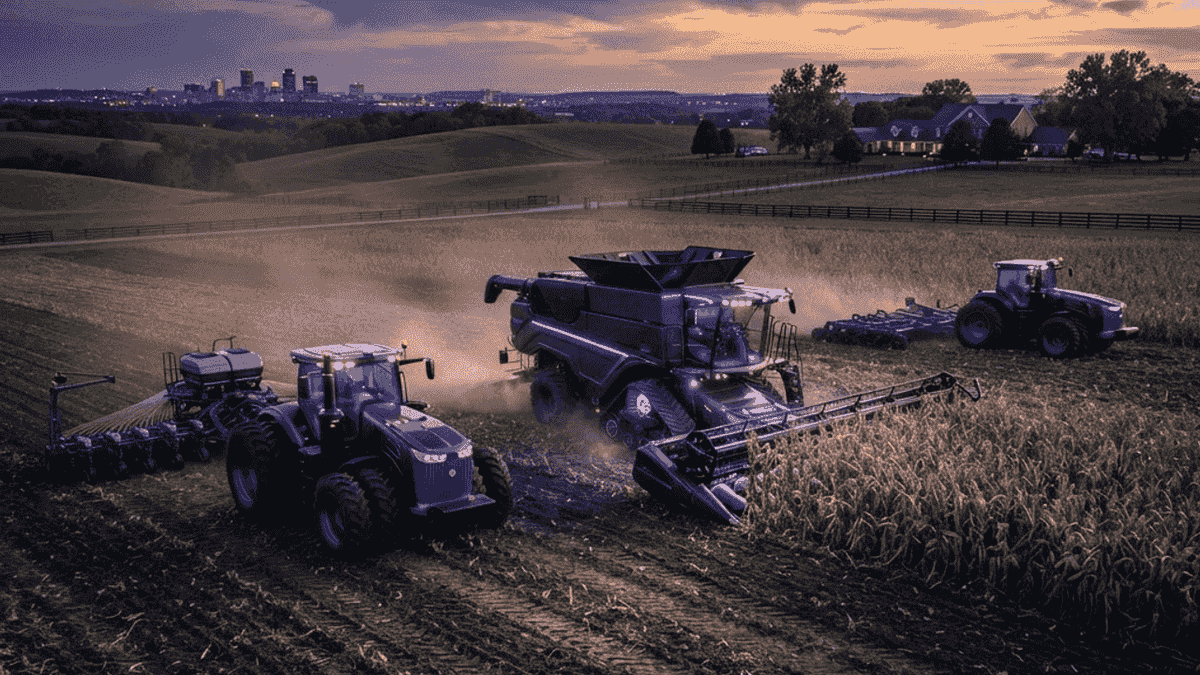
Agricultural Equipment in the Louisville Region
The farmland surrounding Louisville depends on reliable agricultural equipment to plant, cultivate, and harvest efficiently. From compact tractors used on small specialty farms to large combines working extensive row crops, the right machinery is essential to productivity and profitability. A strong selection of respected equipment brands, supported by regional dealers and service networks, keeps the area's farms running smoothly.
As labor becomes harder to find and margins tighter, efficient and dependable equipment has never been more important. The best agricultural equipment brands help farmers do more with less, combining durability, performance, and modern technology. Access to parts and service in the Louisville region further ensures that machinery stays productive throughout demanding seasons.
What Makes an Agricultural Equipment Brand Stand Out
Top agricultural equipment brands are defined by reliability, performance, and strong support. Farmers depend on machinery that starts every morning and performs consistently through long, intense workdays during planting and harvest. Durability directly affects a farm's bottom line, since downtime during critical windows can be extremely costly.
Service and parts availability are equally important. The best brands are backed by dealer networks that provide maintenance, repairs, and quick access to parts. Increasingly, leading brands also offer precision-agriculture technology that improves efficiency, reduces input costs, and supports data-driven decisions, giving farmers a meaningful competitive edge.
Leading Agricultural Equipment Brands Available in Louisville
John Deere is a globally recognized brand offering a full range of tractors, harvesters, and precision-agriculture technology, supported by a strong dealer network.
Case IH is respected for powerful tractors and combines built for demanding row-crop operations.
New Holland provides versatile equipment known for efficiency and operator comfort.
Kubota is popular for reliable compact and utility tractors well suited to smaller and specialty farms.
Massey Ferguson offers durable, value-oriented tractors trusted by many regional farmers.
Kioti is valued for dependable compact tractors and strong value.
Fendt is known for advanced, high-performance tractors with premium technology.
Claas specializes in efficient harvesting equipment and forage machinery.
Kuhn focuses on quality implements for tillage, planting, and hay production.
Krone rounds out the list with a reputation for reliable forage and hay equipment.
Trends Shaping Agricultural Equipment
Precision agriculture is transforming farming in the region. GPS guidance, automated steering, and data-driven monitoring help farmers plant and harvest with remarkable accuracy, reducing waste and boosting yields. Leading brands continue to integrate these technologies, making modern equipment smarter and more efficient than ever.
Sustainability and efficiency are also central concerns. Farmers increasingly seek equipment that lowers fuel consumption, minimizes soil compaction, and supports conservation practices. At the same time, the rise of electric and alternative-power machinery hints at the future direction of the industry, and forward-looking brands are investing accordingly.
How to Choose the Right Agricultural Equipment
Farmers should select equipment based on the scale of their operation, the crops they grow, and their long-term goals. Matching machinery to actual needs prevents costly over-investment while ensuring adequate capacity during peak seasons. Considering total cost of ownership, including fuel, maintenance, and resale value, leads to smarter decisions than focusing on purchase price alone.
Dealer support is a decisive factor. A strong local dealer that offers responsive service, readily available parts, and knowledgeable guidance can make the difference between a productive season and costly delays. Building a relationship with a trusted dealer ensures priority support when it matters most.
Planning a Successful Louisville Supplier Relationship
Before committing to any of these agricultural equipment brands, create a written list of must-have specifications, estimated monthly volume, acceptable lead times, and budget limits. This turns an introductory conversation into a useful business discussion and makes competing quotes easier to compare. Louisville buyers should also ask how delivery schedules change during severe weather, holiday peaks, major local events, or seasonal demand. A supplier with a realistic contingency plan can be more valuable than one offering the lowest initial quote.
Request clear details about minimum orders, payment terms, damaged-goods procedures, warranties, and any charges that may not appear in the unit price. Freight, handling, rush service, and restocking costs can materially change the final value of an order. When possible, inspect samples or place a controlled first order before shifting a large share of purchasing. Track accuracy, condition, timeliness, and communication so the decision rests on measurable performance rather than promises.
Why Local and Regional Sourcing Matters
Working with suppliers serving Louisville can shorten replenishment cycles and make problem solving more direct. Local knowledge is particularly useful when demand is affected by the city's hospitality calendar, construction activity, school schedules, manufacturing cycles, and the needs of businesses on both sides of the Ohio River. Regional sourcing can also reduce freight exposure and make smaller, more frequent orders practical, helping buyers carry less excess inventory.
That does not mean location should outweigh quality or value. The strongest purchasing strategy compares total landed cost, dependable availability, service, and product suitability. Many businesses benefit from naming one primary supplier and maintaining a qualified secondary source for critical items. Regular performance reviews, honest forecasts, and prompt communication help both parties plan capacity and resolve issues before they disrupt customers.
Final Thoughts
The agricultural equipment brands available around Louisville give farmers the reliability, performance, and technology they need to succeed. The brands featured here stand out for their durability, innovation, and dealer support, but the right choice depends on each operation's size, crops, and goals. By selecting equipment thoughtfully and partnering with dependable dealers, farmers across the region can maximize productivity and long-term value.