
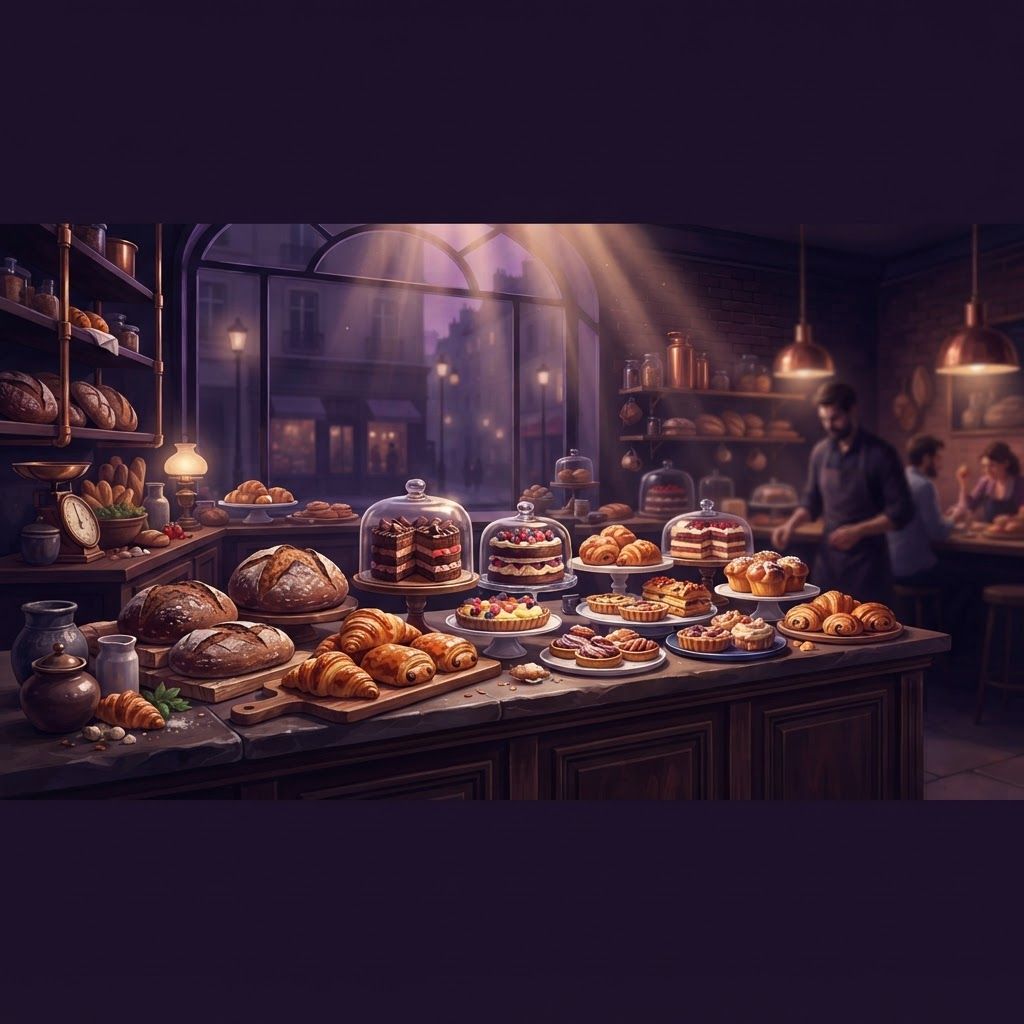
Springfield's Quiet Baking Renaissance
Every city has a handful of bakeries, but Springfield has developed something closer to a culture. Over the past several years, a wave of bakers trained in classical technique returned to the region, joining established family shops that have served neighborhoods for generations. The result is a scene with unusual range: rustic naturally leavened loaves, meticulous laminated pastry, nostalgic frosted cookies, and inventive seasonal desserts built around produce from surrounding farms.
What makes the scene distinctive is the emphasis on fundamentals. Springfield bakers talk about flour sourcing, hydration, fermentation schedules, and butter quality the way winemakers talk about vineyards. That attention shows in the finished product, and it explains why weekend lines form outside shops that do almost no advertising.
The Top 10 Bakeries in Springfield
1. Millstone Bread House
Millstone Bread House is the benchmark for naturally leavened bread in the city. Loaves ferment slowly, often overnight, producing a deeply caramelized crust and open, custardy crumb. The bakery mills a portion of its own grain, which gives its country loaf a distinctive nutty sweetness that regulars can identify blindfolded.
2. Rue Amelie Patisserie
Rue Amelie Patisserie brings classical French technique to Springfield. Croissants are laminated over multiple days, eclairs are filled to order, and the seasonal tart selection changes with whatever arrives from local orchards. The precision on display makes it a destination for pastry enthusiasts.
3. Harvest Row Bakehouse
Harvest Row Bakehouse focuses on hearty, wholesome baking: seeded multigrain loaves, hearty scones, oat-heavy breakfast bakes, and sandwich bread with real structure. Its commitment to whole grains and regional flour has made it popular with health-conscious households.
4. Sugarleaf Cake Studio
Sugarleaf Cake Studio specializes in celebration and wedding cakes. Beyond visual artistry, the studio is respected for flavor balance, avoiding the excessively sweet frosting that plagues many custom cakes. Consultations are thorough, and the team is known for accommodating dietary restrictions gracefully.
5. Copper Kettle Donuts
Copper Kettle Donuts produces small batches throughout the morning rather than baking everything at dawn, so the product is genuinely fresh. Classic glazed varieties share the case with inventive seasonal flavors, and the brioche-style dough sets it apart from commercial competitors.
6. Anselm Brothers Bakery
Anselm Brothers Bakery is a multigenerational institution known for traditional European breads, rye varieties, and holiday specialties that families order year after year. Its continuity gives Springfield a tangible link to its immigrant culinary heritage.
7. Willow and Wheat
Willow and Wheat has built a strong reputation for gluten-free and allergy-conscious baking done well. Separate preparation areas and careful ingredient sourcing allow customers with celiac disease to order confidently, and the texture quality far exceeds typical alternatives.
8. Lantern Street Cafe Bakery
Lantern Street Cafe Bakery combines a serious coffee program with a rotating pastry case. Morning buns, laminated savories, and seasonal galettes pair well with the espresso menu, and the space itself has become a neighborhood gathering point.
9. Thistle and Thyme Bakeshop
Thistle and Thyme Bakeshop emphasizes savory baking: hand pies, herbed focaccia, quiches, and stuffed rolls built around local vegetables, cheeses, and meats. It fills a gap in a market that often skews sweet.
10. Hearthside Community Bakery
Hearthside Community Bakery operates with a social mission, training and employing individuals rebuilding their careers. The bread and pastries stand on their own merits, and the bakery has become a point of civic pride in Springfield.
How to Judge a Great Bakery
Bread offers the clearest test of skill. Examine the crust for genuine color rather than pale uniformity, and look for an irregular crumb structure that indicates proper fermentation. Well-made bread should taste complex even without butter, with subtle tang and wheat sweetness.
For laminated pastry, look at the layers. A proper croissant shatters slightly when pressed, revealing honeycomb interior structure rather than dense bread. The aroma should be clearly of butter, not generic sweetness.
Ingredient transparency signals quality. Bakeries proud of their flour, butter, chocolate, and fruit sources typically mention them. Seasonal menu changes are another positive indicator, since they suggest the bakery works with fresh produce rather than shelf-stable fillings.
Trends in Springfield's Bakery Market
Long fermentation continues to gain popularity, driven by both flavor and digestibility. Several local bakeries now publish fermentation times, treating patience as a selling point.
Regional grain is another growing theme. Partnerships between bakers and nearby farms have introduced heritage wheat varieties that offer distinctive flavor while shortening the supply chain.
Allergy-aware baking has moved from niche to expected. Most quality bakeries now offer credible gluten-free, dairy-free, or egg-free options rather than treating dietary needs as an afterthought.
Finally, preordering has reshaped operations. Popular items sell out early, and many Springfield bakeries now reserve a portion of production for customers who order ahead, a practical adaptation that reduces waste and disappointment.
Making the Most of a Bakery Visit
Arrive early for bread, since the best loaves often disappear before midday. Ask what came out of the oven most recently, as staff are usually happy to steer customers toward peak freshness. For celebration cakes, book well in advance, especially during wedding and graduation seasons.
Springfield's bakery scene rewards curiosity. Visiting several shops reveals distinct philosophies, and most residents eventually assemble a personal rotation: one bakery for daily bread, another for weekend pastry, and a third for occasions that call for something memorable.