
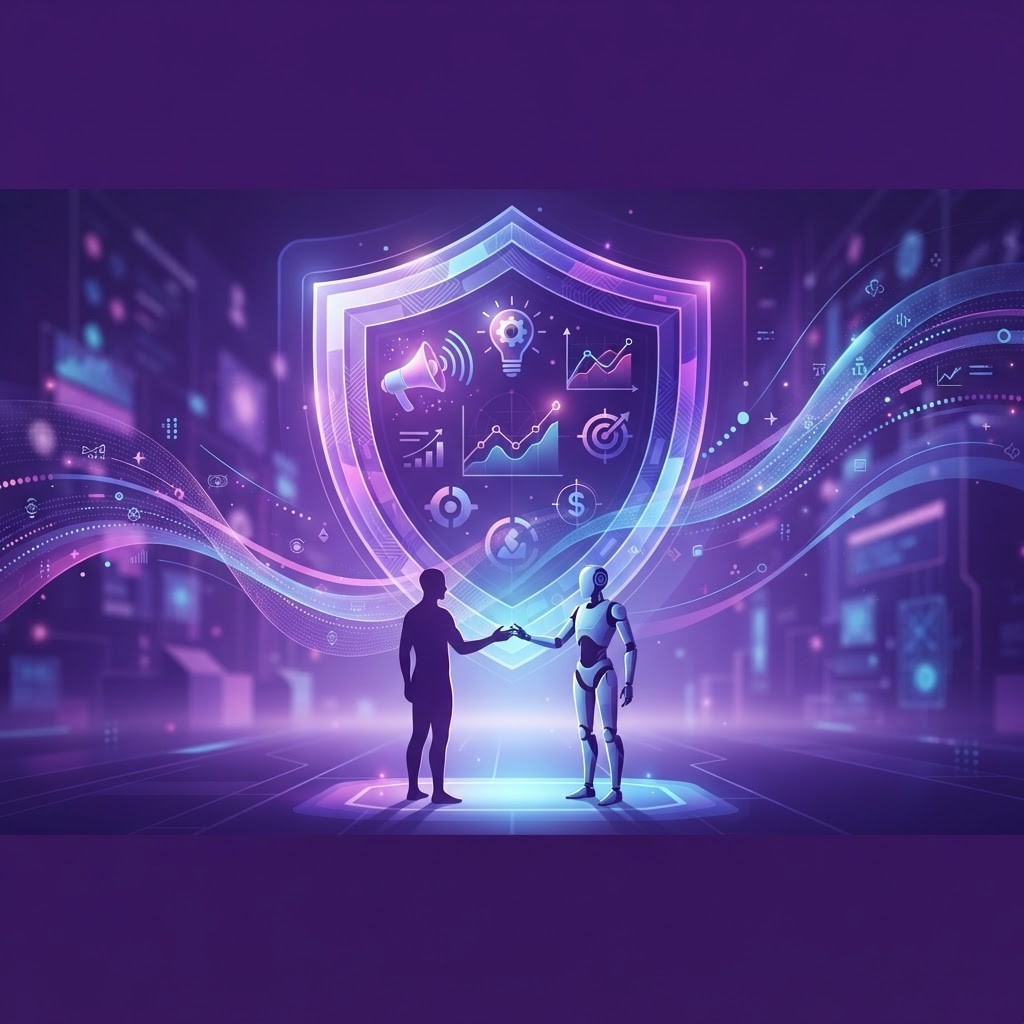
As artificial intelligence automates more marketing tasks each year, professionals across the industry are asking a deeply personal question: is marketing safe from AI? The fear is understandable. When machines can write copy, design ads, and analyze campaigns, it is natural to worry about job security and the future of the craft. Yet a closer look reveals that marketing is not being erased by AI, it is being reshaped, and the roles that adapt will be more valuable than ever.
How AAMAX.CO Helps Marketers Stay Ahead of AI
Staying safe in an AI-driven market means learning to work alongside intelligent tools rather than competing against them. AAMAX.CO is a full-service digital marketing company serving clients worldwide, and they specialize in helping brands and teams integrate AI without losing the human touch that customers trust. Their experts build workflows where automation handles the routine and people focus on strategy and creativity. Businesses that want a reliable partner in this transition can hire AAMAX.CO to modernize their operations while protecting the parts of marketing that only humans can deliver.
Why Marketing Will Not Disappear
Marketing exists because businesses need to connect with people, and people are wonderfully complex. Human emotions, cultural shifts, and social trends drive buying decisions in ways that pure data cannot fully predict. AI can measure behavior, but it cannot feel the pulse of a community or sense the emotional undercurrent of a moment. That deeply human understanding keeps marketing relevant no matter how advanced the technology becomes.
Furthermore, marketing is fundamentally about trust. Customers buy from brands they believe in, and trust is built through authentic communication, consistent values, and genuine relationships. AI can support these efforts, but it cannot replace the human accountability that makes a brand credible. This is why the strategic core of marketing remains safe even as tools evolve.
The Tasks Most Exposed to Automation
It would be dishonest to claim nothing is at risk. Repetitive and rules-based tasks are the most exposed to automation. These include basic reporting, routine ad optimization, bulk content variations, keyword research, and first-tier customer support. Marketers who spend most of their time on these activities should expect their roles to change significantly as AI absorbs the busywork.
However, automation of tasks is not the same as elimination of jobs. When AI handles the tedious work, marketers are freed to focus on higher-value activities such as brand building, campaign strategy, and creative direction. The professionals who thrive will be those who shift their energy toward what machines cannot do well.
Skills That Keep Marketers Safe
Future-proofing a marketing career starts with cultivating skills that complement AI rather than compete with it. Strategic thinking, emotional intelligence, storytelling, and cross-channel planning all grow more valuable as execution becomes automated. Data literacy is equally important, because marketers who can interpret AI-generated insights and ask the right questions will lead their teams.
Technical fluency with AI tools is fast becoming a baseline expectation. Knowing how to craft effective prompts, evaluate model outputs, and combine multiple tools into efficient workflows is now a core competency. Marketers who invest in learning these skills position themselves as indispensable, while those who resist risk falling behind.
New Frontiers Where Humans Lead
AI is also opening new frontiers that demand human leadership. Search behavior is changing as people turn to AI assistants for answers, which means brands must optimize for both traditional search engines and generative answer engines. Skilled professionals guide this evolving discipline of search engine optimization, blending technical know-how with creative content strategy. Similarly, building high-performing websites that convert visitors requires human oversight of design, user experience, and messaging, which is why expert website development remains a people-driven field even with AI assistance.
The Collaborative Future
The most accurate way to describe the future is collaboration, not competition. AI acts as a force multiplier, handling scale and speed while humans provide judgment, ethics, and imagination. Teams that embrace this partnership produce better work in less time, and they free their people to concentrate on the meaningful, creative, and strategic work that makes marketing rewarding.
This collaborative model also protects against the risks of over-automation. Human oversight ensures that AI-generated content stays accurate, on-brand, and respectful of customer privacy. Brands that keep people in charge of critical decisions build stronger, more resilient reputations.
Conclusion
So, is marketing safe from AI? The craft of marketing is safe, and skilled marketers who adapt are safer still. What is not safe is the outdated mindset that clings to manual processes and ignores the tools transforming the industry. AI will absorb routine tasks, but it cannot replace human creativity, empathy, and strategic vision. Marketers who learn to lead with these strengths, supported by experienced partners who understand both technology and people, will find their careers not just safe but flourishing in the age of AI.