
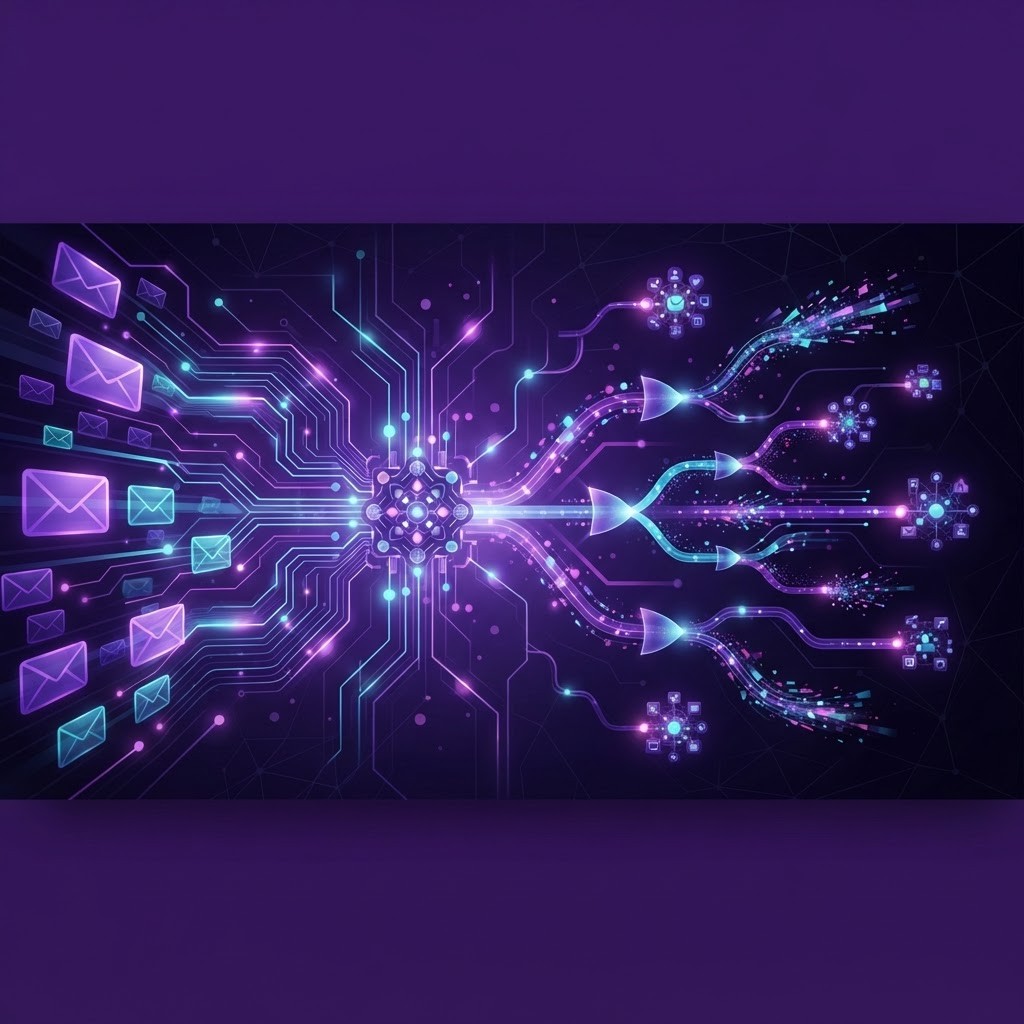
Email and marketing automation have long been staples of digital marketing, allowing businesses to nurture leads and stay connected with customers at scale. But traditional automation relied heavily on rigid rules and manual setup. Artificial intelligence is changing that entirely. By adding predictive intelligence, real-time personalization, and continuous optimization, AI is transforming automation from a set-it-and-forget-it system into a dynamic engine that learns and adapts. Understanding how AI will affect email and marketing automation is essential for any business that wants to stay ahead.
How AAMAX.CO Helps You Embrace Intelligent Automation
Implementing AI-powered automation can feel daunting, especially when integrating it with existing systems. AAMAX.CO is a full-service digital marketing company serving clients around the globe, and they specialize in building smart, automated marketing systems that actually deliver results. Their team can help you design AI-driven email journeys, set up predictive segmentation, and connect automation to your broader digital marketing strategy. With their expertise, businesses can adopt cutting-edge automation without the technical headaches, ensuring campaigns are both efficient and effective.
Smarter Personalization Than Ever Before
The biggest impact of AI on email marketing is hyper-personalization. Rather than segmenting audiences into broad groups, AI analyzes individual behavior to determine exactly what each subscriber wants to see. It can customize subject lines, product recommendations, and even the timing of each message based on how a person has interacted with your brand. This one-to-one approach makes emails feel relevant and personal, driving higher open rates, clicks, and conversions.
Predictive Send-Time Optimization
Timing can make or break an email campaign. AI removes the guesswork by analyzing when each subscriber is most likely to open and engage with messages. Instead of blasting your entire list at once, AI staggers delivery so every email arrives at the optimal moment for each recipient. This predictive capability significantly improves engagement without requiring any additional effort from your marketing team.
Dynamic Content That Adapts in Real Time
AI enables emails that change based on the latest data, even after they have been sent. Product availability, pricing, and recommendations can update dynamically when a subscriber opens the message. This ensures customers always see accurate, relevant information, reducing frustration and increasing trust. Combined with behavioral triggers, dynamic content makes automated campaigns feel timely and thoughtful rather than robotic.
Predicting Customer Behavior and Churn
One of AI's most valuable contributions is its ability to predict what customers will do next. By analyzing patterns in engagement and purchase history, AI can identify subscribers who are likely to convert, as well as those at risk of disengaging. This allows marketers to proactively send win-back campaigns or special offers before a customer slips away, protecting long-term revenue and improving retention.
Automating Complex Customer Journeys
Traditional automation workflows often break down when customer paths become complex. AI can manage intricate, branching journeys that adapt to each person's actions in real time. If a customer takes an unexpected step, the AI adjusts the workflow accordingly rather than following a rigid script. This flexibility creates smoother, more natural experiences that guide customers toward conversion without feeling forced.
Improving Deliverability and Content Quality
AI also helps ensure your emails actually reach the inbox. By analyzing spam triggers, engagement signals, and sender reputation, AI tools recommend adjustments that improve deliverability. They can also test and refine subject lines and copy, learning which phrasing drives the best results. Over time, this continuous optimization sharpens every element of your email program.
Conclusion
AI is transforming email and marketing automation from simple scheduled campaigns into intelligent, adaptive systems that learn and improve with every interaction. The businesses that embrace these capabilities will enjoy deeper customer relationships, higher engagement, and better returns on their marketing investment. As the technology continues to advance, automation will become even more personalized and predictive, making it an indispensable part of modern marketing. Now is the time to adopt these tools and position your brand for lasting success.