
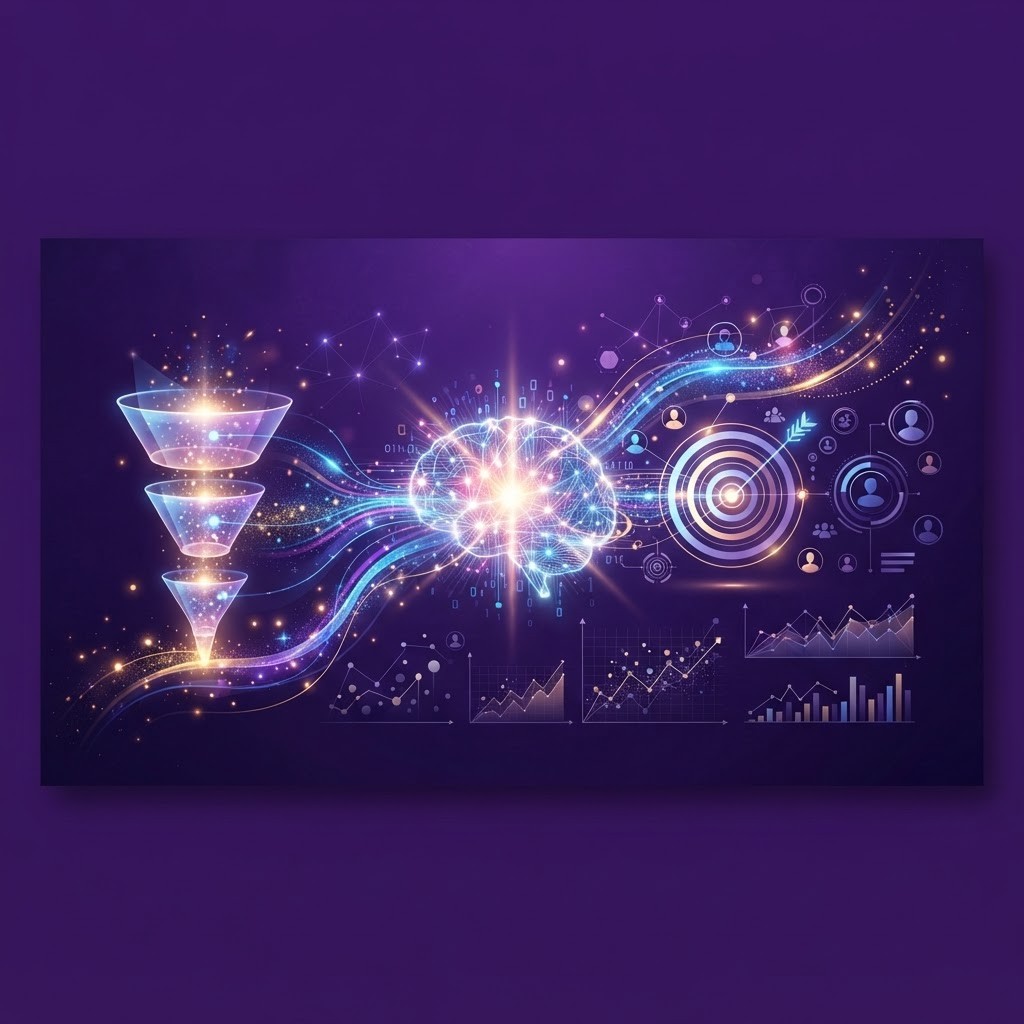
Why AI Belongs in Your Marketing Toolkit
Artificial intelligence has moved from a futuristic buzzword to a practical, everyday tool for marketers. It can analyze mountains of data in seconds, generate creative content, personalize customer experiences, and automate repetitive tasks that once consumed hours of your team's time. If you're wondering how to actually put AI to work in your marketing, this guide breaks it down into clear, actionable strategies you can start using today.
The goal isn't to replace human creativity and judgment, but to amplify it. When used thoughtfully, AI frees your team to focus on strategy, storytelling, and relationship-building while the technology handles the heavy lifting behind the scenes.
Work With AAMAX.CO to Put AI Into Action
Adopting AI can feel overwhelming when you're not sure where to begin. That's where AAMAX.CO comes in. They are a full-service digital marketing agency that helps businesses around the world implement AI-powered strategies without the guesswork. Their team blends creative expertise with data-driven tools, and their digital marketing services are designed to help brands attract, convert, and retain customers more efficiently. By partnering with them, you gain access to specialists who know how to translate AI capabilities into measurable growth for your business.
Content Creation and Ideation
One of the most popular uses of AI in marketing is content generation. AI writing tools can draft blog posts, social media captions, email subject lines, and ad copy in a fraction of the time it would take manually. They're especially useful for overcoming writer's block, generating multiple variations to test, and maintaining a consistent publishing schedule.
Beyond writing, AI can help with brainstorming campaign themes, suggesting headlines, and even creating outlines for long-form content. The key is to treat AI output as a starting point. Always review, edit, and infuse it with your brand's unique voice so the final product feels authentic and human.
Personalization at Scale
Modern customers expect experiences tailored to their needs, and AI makes that possible at a scale no human team could match. By analyzing browsing behavior, purchase history, and engagement patterns, AI can recommend products, customize email content, and serve dynamic website experiences to each visitor.
Personalized product recommendations, like those you see on major e-commerce sites, are powered by machine learning algorithms. You can bring similar capabilities to your own campaigns, delivering the right message to the right person at the right time, which dramatically improves conversion rates and customer loyalty.
Smarter Advertising and Targeting
AI has transformed digital advertising. Ad platforms now use machine learning to optimize bidding, identify high-value audiences, and predict which creatives will perform best. Instead of manually adjusting campaigns, you can let AI analyze performance data and reallocate budget toward the ads that deliver the strongest return.
Predictive analytics also helps you find lookalike audiences, people who share characteristics with your best customers, so your ad spend reaches those most likely to convert. This precision reduces wasted budget and boosts overall campaign efficiency.
Automating Repetitive Tasks
Marketing involves countless routine tasks: scheduling posts, sending follow-up emails, sorting leads, and generating reports. AI-powered automation tools handle these seamlessly, freeing your team for higher-value work. Chatbots, for instance, can answer common customer questions around the clock, qualify leads, and route conversations to the right department.
Email automation platforms use AI to determine the best send times, segment audiences automatically, and trigger personalized sequences based on user behavior. The result is a marketing engine that keeps running efficiently even when your team is offline.
Data Analysis and Insights
Perhaps the most powerful application of AI is its ability to make sense of data. Marketing generates enormous amounts of information, and AI can spot patterns, forecast trends, and surface insights that would be impossible to find manually. It can tell you which channels drive the most valuable customers, predict churn before it happens, and identify emerging opportunities.
Armed with these insights, you can make smarter decisions faster. Rather than guessing what your audience wants, you can rely on data-backed recommendations to guide your strategy and continuously refine your campaigns.
Best Practices for Using AI in Marketing
To get the best results, start small and scale gradually. Choose one or two areas where AI can make an immediate impact, measure the results, and expand from there. Always keep a human in the loop to review AI output for accuracy, tone, and brand alignment. Transparency matters too; be honest with your audience about how you use AI, especially in customer-facing interactions.
Finally, remember that AI tools are only as good as the data and prompts you feed them. Invest time in learning how to write effective prompts and in keeping your customer data clean and organized. The better your inputs, the better your outcomes.
Conclusion
Using AI for marketing isn't about chasing the latest trend, it's about working smarter. From content creation and personalization to advertising, automation, and analytics, AI offers practical benefits that can transform your results. The businesses that thrive will be those that embrace these tools thoughtfully while keeping human creativity and strategy at the center. If you're ready to unlock AI's full potential for your brand, partnering with an experienced digital marketing team can help you get there faster.