
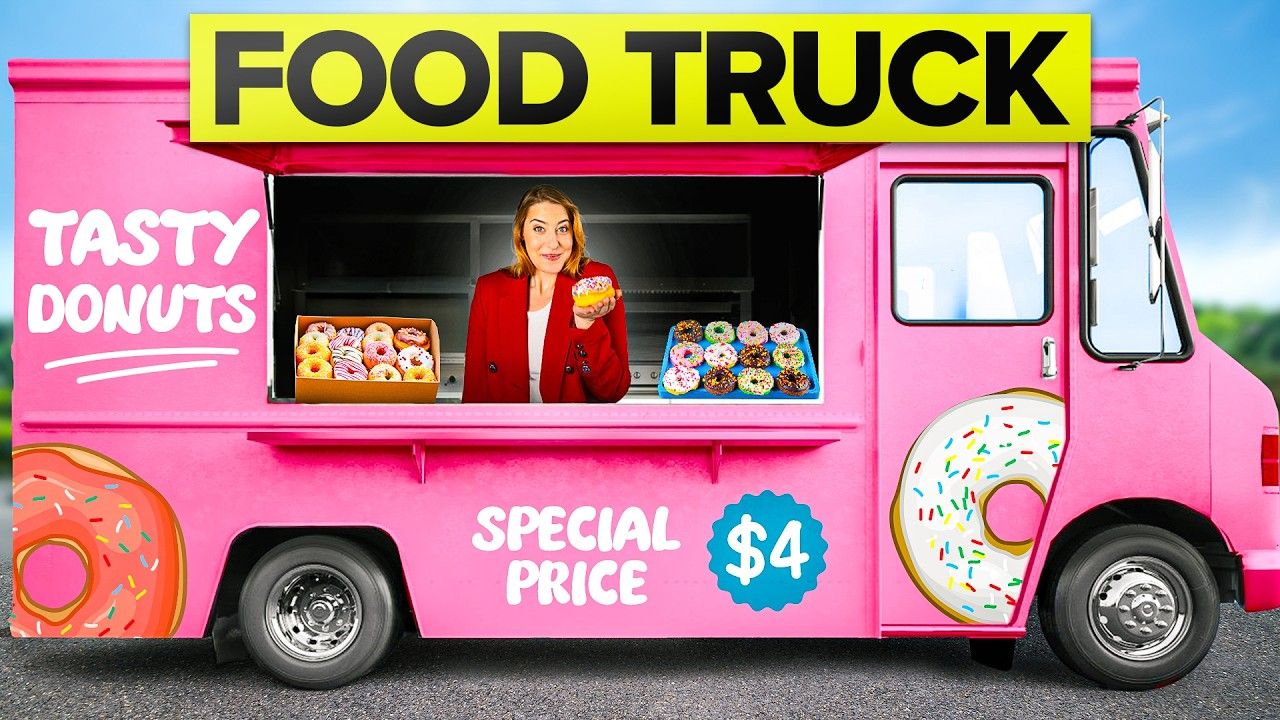
Starting a food truck can be an exciting and rewarding way to enter the food service industry. With lower startup costs than a traditional restaurant and the flexibility to move where customers are, food trucks have become a popular choice for entrepreneurs who want to turn their culinary passion into a business. However, success requires far more than great food. From planning and permits to branding, operations, and growth, launching a food truck demands careful preparation and informed decision-making.
This in-depth guide walks you through every stage of starting a food truck, helping you understand what it takes to build a profitable, compliant, and sustainable mobile food business.
Understanding the Food Truck Business Model
Before investing time and money, it is important to understand how the food truck model works and whether it fits your goals.
Food trucks are mobile food service operations that sell prepared food directly to customers. Unlike restaurants, they rely on location strategy, mobility, and streamlined menus. Revenue can vary widely depending on foot traffic, event bookings, weather, and local regulations.
Food truck owners often wear multiple hats, acting as chef, manager, marketer, and operator. Long hours, physical work, and problem-solving are part of daily life. A realistic understanding of these demands is essential before moving forward.
Researching Your Market and Concept
Market research lays the foundation for a successful food truck.
Identifying Your Target Audience
Determine who your customers will be and where they are most likely to buy from you. This may include:
- Office workers during lunch hours
- Nightlife crowds
- Festival and event attendees
- College students
- Families at community events
Analyzing the Competition
Study existing food trucks and quick-service restaurants in your area. Identify what they do well and where gaps exist. Look at:
- Menu offerings
- Pricing
- Portion sizes
- Branding and truck design
- Locations and operating hours
Defining Your Food Truck Concept
Your concept should be clear, focused, and marketable. This includes:
- Cuisine type
- Signature dishes
- Brand personality
- Price point
Creating a Food Truck Business Plan
A detailed business plan helps clarify your vision and is often required for funding.
Key Components of a Food Truck Business Plan
Your plan should include:
- Executive summary
- Business description
- Market analysis
- Menu and pricing strategy
- Operations plan
- Marketing and branding plan
- Financial projections
Estimating Startup and Operating Costs
Food truck startup costs vary widely but typically include:
- Truck purchase or lease
- Kitchen equipment
- Permits and licenses
- Commissary kitchen fees
- Initial inventory
- Branding and signage
- Insurance
Choosing and Acquiring a Food Truck
Your truck is the heart of your business.
Buying vs. Leasing a Food Truck
You can buy a new truck, purchase a used one, or lease.
- New trucks offer customization and fewer repairs but cost more
- Used trucks are cheaper but may require upgrades
- Leasing reduces upfront costs but limits long-term equity
Designing the Truck Layout
The interior must be efficient and compliant. Key considerations include:
- Workflow and space efficiency
- Ventilation and fire suppression
- Electrical and plumbing systems
- Storage capacity
Navigating Licenses, Permits, and Regulations
Regulatory compliance is one of the most complex parts of starting a food truck.
Common Food Truck Permits and Licenses
Requirements vary by location but often include:
- Business license
- Food service permit
- Mobile food vendor permit
- Health department inspection
- Fire safety permit
- Vehicle registration
Health and Safety Compliance
Food trucks must follow the same food safety rules as restaurants. This includes:
- Safe food handling practices
- Temperature control
- Proper sanitation
- Approved water and waste systems
Developing a Profitable Food Truck Menu
Your menu directly affects speed, costs, and profitability.
Keeping the Menu Simple and Focused
Food truck menus should be concise. A smaller menu:
- Reduces prep time
- Lowers inventory costs
- Speeds up service
- Improves consistency
Pricing for Profit
Menu pricing should account for:
- Ingredient costs
- Labor
- Overhead
- Desired profit margin
Testing and Refining Recipes
Before launch, test your menu extensively. Consider:
- Taste consistency
- Prep time
- Shelf life
- Customer feedback
Branding and Marketing Your Food Truck
Strong branding helps customers remember and seek out your truck.
Creating a Memorable Brand Identity
Your brand includes:
- Truck name
- Logo
- Color scheme
- Tone of voice
Designing the Truck Exterior
Your truck is a moving billboard. Eye-catching design increases impulse purchases and social media sharing. Clear signage and readable menus are essential.
Using Social Media and Online Tools
Social media is one of the most powerful marketing tools for food trucks. Use it to:
- Announce locations and hours
- Promote specials
- Share behind-the-scenes content
- Engage with customers
Selecting Locations and Events
Location strategy can determine your success.
Daily Service Locations
Common food truck locations include:
- Business districts
- Breweries
- College campuses
- Industrial areas
Catering and Private Events
Catering events such as weddings, corporate functions, and festivals often provide higher and more predictable revenue. Building relationships with event organizers can significantly boost income.
Weather and Seasonal Planning
Weather affects foot traffic. Plan for seasonal shifts by adjusting hours, locations, and menu items.
Staffing and Operations Management
Even small food trucks require efficient operations.
Hiring and Training Staff
Food truck staff must be versatile and dependable. Training should cover:
- Food safety
- Customer service
- Equipment use
- Emergency procedures
Daily Operations and Workflow
Efficient workflow reduces stress and errors. This includes:
- Prep checklists
- Inventory management
- Opening and closing procedures
- Cash handling systems
Managing Food Safety and Sanitation
Food safety protects customers and your business.
Safe Food Handling Practices
Food truck operators must follow strict food safety rules, including:
- Proper handwashing
- Preventing cross-contamination
- Maintaining safe temperatures
- Cleaning and sanitizing surfaces
Waste and Water Management
Food trucks must safely manage:
- Gray water
- Grease
- Trash and recycling
Financial Management and Record Keeping
Strong financial management supports long-term success.
Tracking Income and Expenses
Use accounting software or spreadsheets to track:
- Daily sales
- Food costs
- Fuel and maintenance
- Labor expenses
Managing Cash Flow
Food truck income can fluctuate. Maintaining a cash reserve helps cover slow periods, repairs, or unexpected expenses.
Taxes and Insurance
Food truck owners must handle:
- Sales tax
- Income tax
- Payroll tax if applicable
- Liability and vehicle insurance
Scaling and Growing Your Food Truck Business
Once established, you may consider growth opportunities.
Expanding the Menu or Service Area
New menu items or additional locations can increase revenue, but expansion should be gradual and data-driven.
Adding More Trucks
Operating multiple trucks increases earning potential but also complexity. Systems and management processes must be strong before scaling.
Transitioning to a Brick-and-Mortar Location
Some food truck owners eventually open restaurants. A food truck can serve as a testing ground for concepts and customer demand.
Common Challenges and How to Overcome Them
Food truck owners face unique challenges.
Regulatory Hurdles
Changing laws and permit restrictions require adaptability. Staying informed and building relationships with regulators helps reduce friction.
Equipment Breakdowns
Preventive maintenance and emergency plans minimize downtime.
Competition and Saturation
Continuous innovation, strong branding, and excellent service help you stand out in crowded markets.
Conclusion
Starting a food truck is both a creative and operational challenge. While the barrier to entry is lower than opening a restaurant, success depends on thorough planning, regulatory compliance, financial discipline, and relentless focus on quality and customer experience. From choosing the right concept and truck to mastering operations and marketing, every decision plays a role in long-term sustainability.
With the right preparation and mindset, a food truck can become more than a mobile kitchen. It can be a powerful brand, a profitable business, and a stepping stone to even greater opportunities in the food industry.