
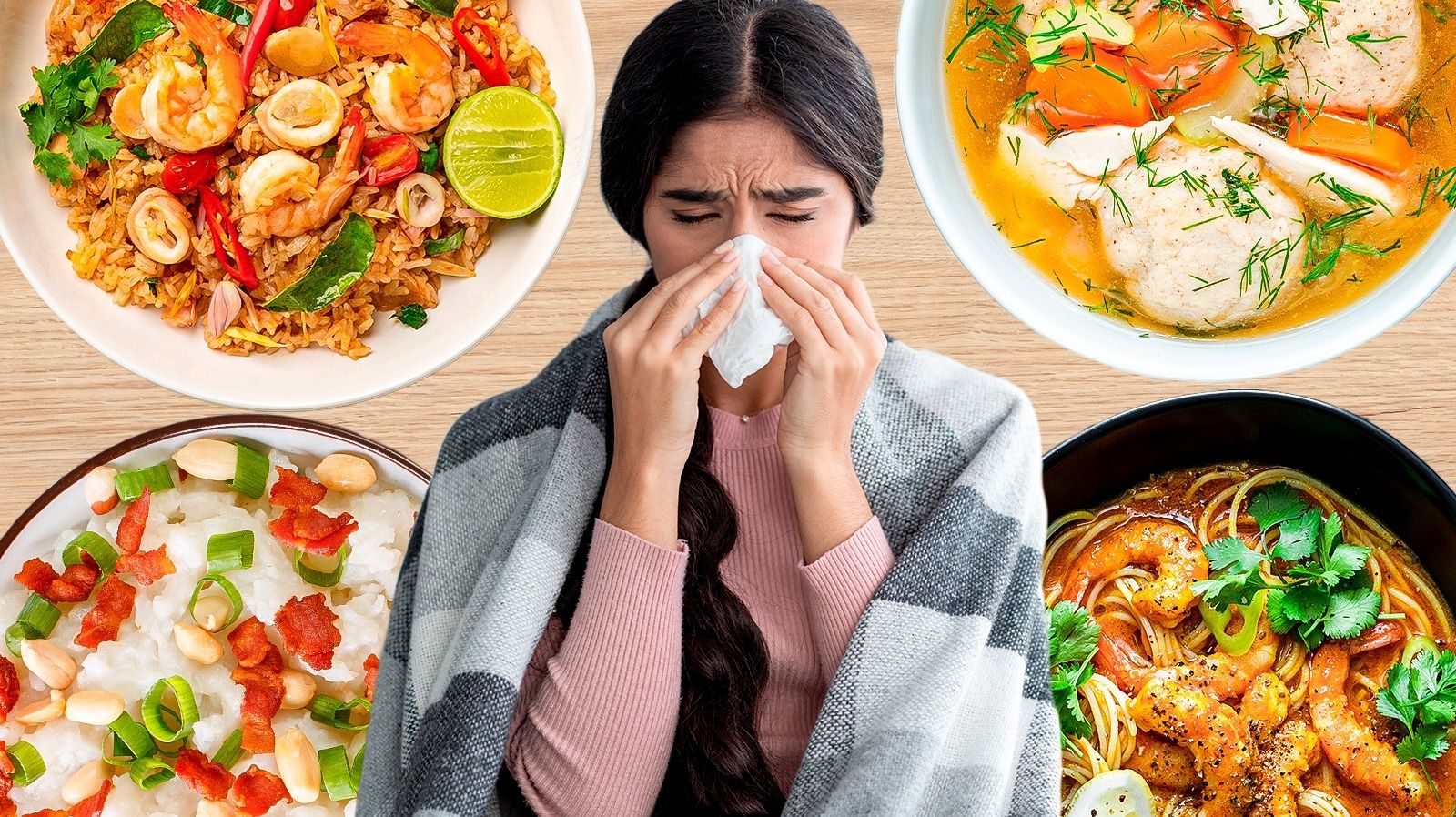
Being sick can be uncomfortable, draining, and exhausting. Your body is fighting an illness, whether it’s a cold, flu, stomach bug, or another ailment, and the right foods can make a big difference in how quickly you recover. Eating nutrient-rich, easy-to-digest meals can soothe symptoms, boost immunity, and help maintain energy levels. On the other hand, the wrong foods can worsen nausea, dehydration, or inflammation.
This guide explores what to eat when sick, why certain foods are beneficial, and how to prepare meals that support recovery.
Understanding Your Body’s Needs When Sick
When you are ill, your body requires:
- Hydration: Fever, vomiting, or diarrhea can deplete fluids.
- Electrolytes: Sodium, potassium, and magnesium help maintain fluid balance.
- Easily digestible nutrients: Heavy or greasy foods may irritate the stomach.
- Immune support: Vitamins, minerals, and antioxidants can aid your body’s natural defense.
Hydrating Foods and Drinks
Proper hydration is the first step when feeling unwell. Dehydration can worsen fatigue, headache, and dizziness.
Water
- Essential for maintaining body functions.
- Drink frequently in small sips if nausea is present.
Herbal Teas
- Ginger tea: Reduces nausea and soothes stomach discomfort.
- Chamomile tea: Promotes relaxation and may reduce inflammation.
- Peppermint tea: Eases digestive discomfort and nasal congestion.
Broths and Soups
- Chicken broth: Provides fluids, sodium, and amino acids.
- Vegetable broth: Supplies vitamins and minerals while being gentle on the stomach.
Oral Rehydration Solutions
- Useful for severe dehydration from vomiting or diarrhea.
- Replenishes electrolytes and fluid balance.
Gentle, Easily Digestible Foods
When sick, heavy or greasy foods can worsen symptoms. Focus on light, bland options that are easy on your digestive system.
Rice
- Plain white rice is low in fiber and easy to digest.
- Can be combined with broth for more nutrients.
Toast and Crackers
- Provide carbohydrates for energy.
- Gentle on the stomach and help reduce nausea.
Bananas
- Soft and easy to digest.
- High in potassium, which helps replace electrolytes lost during illness.
Applesauce
- Provides vitamins and natural sugars for energy.
- Gentle on sensitive stomachs compared to raw fruit.
Oatmeal
- Soothing and easy to digest.
- Contains soluble fiber that can aid mild digestive issues.
Foods That Support Immunity
Strengthening the immune system can speed recovery. Certain foods are particularly beneficial.
Citrus Fruits
- Oranges, lemons, grapefruits, and limes are rich in vitamin C.
- Helps the immune system produce white blood cells to fight infection.
Berries
- Blueberries, strawberries, and raspberries contain antioxidants.
- Reduce inflammation and support overall immune health.
Garlic
- Contains allicin, which has antibacterial and antiviral properties.
- Can be added to soups or broths for flavor and immune support.
Yogurt
- Probiotic-rich yogurt supports gut health, which is linked to immunity.
- Choose plain, unsweetened yogurt to avoid added sugars.
Leafy Greens
- Spinach, kale, and Swiss chard provide vitamins A, C, and K.
- These nutrients are crucial for immune function and recovery.
Protein-Rich Foods
Protein is necessary for repairing tissues and supporting immune function. Choose easily digestible options.
Eggs
- Soft-boiled or scrambled eggs are gentle on the stomach.
- Provide essential amino acids for recovery.
Chicken
- Lean, cooked chicken is easy to digest and nutrient-rich.
- Best consumed in soups or broths during illness.
Tofu
- Gentle on the stomach for those avoiding animal protein.
- Rich in protein and can be added to soups or soft dishes.
Fish
- Light, steamed, or poached fish such as salmon or cod is easy to digest.
- Provides protein and omega-3 fatty acids to reduce inflammation.
Foods to Avoid When Sick
Certain foods can aggravate symptoms, slow recovery, or increase inflammation.
Fried and Greasy Foods
- Hard to digest and may worsen nausea or diarrhea.
Sugary Foods and Drinks
- Can suppress immune function temporarily and lead to energy crashes.
Spicy Foods
- May irritate the stomach and exacerbate gastrointestinal issues.
Alcohol and Caffeine
- Can dehydrate the body and interfere with rest and recovery.
Processed Foods
- Low nutrient density; often high in additives that may stress the digestive system.
Comfort Foods That Help You Feel Better
Some foods offer both nutrition and comfort, which is important for recovery.
Chicken Noodle Soup
- Classic remedy for colds and flu.
- Provides hydration, protein, sodium, and warmth that soothes sore throats.
Mashed Potatoes
- Gentle on the stomach and easy to digest.
- Can be enriched with broth for extra nutrients.
Ginger
- Can be added to tea, soups, or porridge to reduce nausea.
Honey
- Antibacterial properties and soothes sore throats.
- Add to tea or warm water.
Popsicles or Ice Chips
- Helps with hydration if swallowing liquids is difficult.
- Can soothe inflamed throats.
Meal Planning While Sick
Eating small, frequent meals is often easier than large meals. Tips include:
- Plan for easy-to-prepare foods: Rice, toast, soups, and yogurt are convenient.
- Balance nutrients: Include proteins, carbohydrates, and vitamins in each meal.
- Stay hydrated: Drink fluids between meals to maintain electrolyte balance.
- Listen to your body: Appetite may fluctuate; eat what you can tolerate without forcing food.
Special Considerations
Certain illnesses require dietary adjustments:
Gastrointestinal Illnesses
- Stick to the BRAT diet: Bananas, Rice, Applesauce, Toast.
- Avoid dairy if it worsens diarrhea or nausea.
Respiratory Illnesses
- Include vitamin C-rich foods to support immunity.
- Warm broths can ease congestion.
Fever
- Focus on hydration and electrolyte-rich foods.
- Avoid heavy meals that strain digestion.
Sore Throat
- Soft foods and warm liquids are soothing.
- Honey, yogurt, and soups reduce irritation.
Conclusion
Knowing what foods to eat when sick can greatly influence your recovery. Focusing on hydration, easy-to-digest meals, nutrient-rich fruits and vegetables, lean proteins, and immune-boosting foods provides the body with the support it needs to fight illness. Avoiding fried, processed, and sugary foods ensures your digestive system isn’t burdened during a vulnerable time.
Small, frequent meals, combined with fluids and comfort foods, help maintain energy, soothe symptoms, and promote faster healing. Eating thoughtfully when sick is not only practical but also essential for feeling better sooner.
A well-planned approach to nutrition during illness transforms recovery from uncomfortable to manageable, ensuring that your body has everything it needs to heal efficiently.