
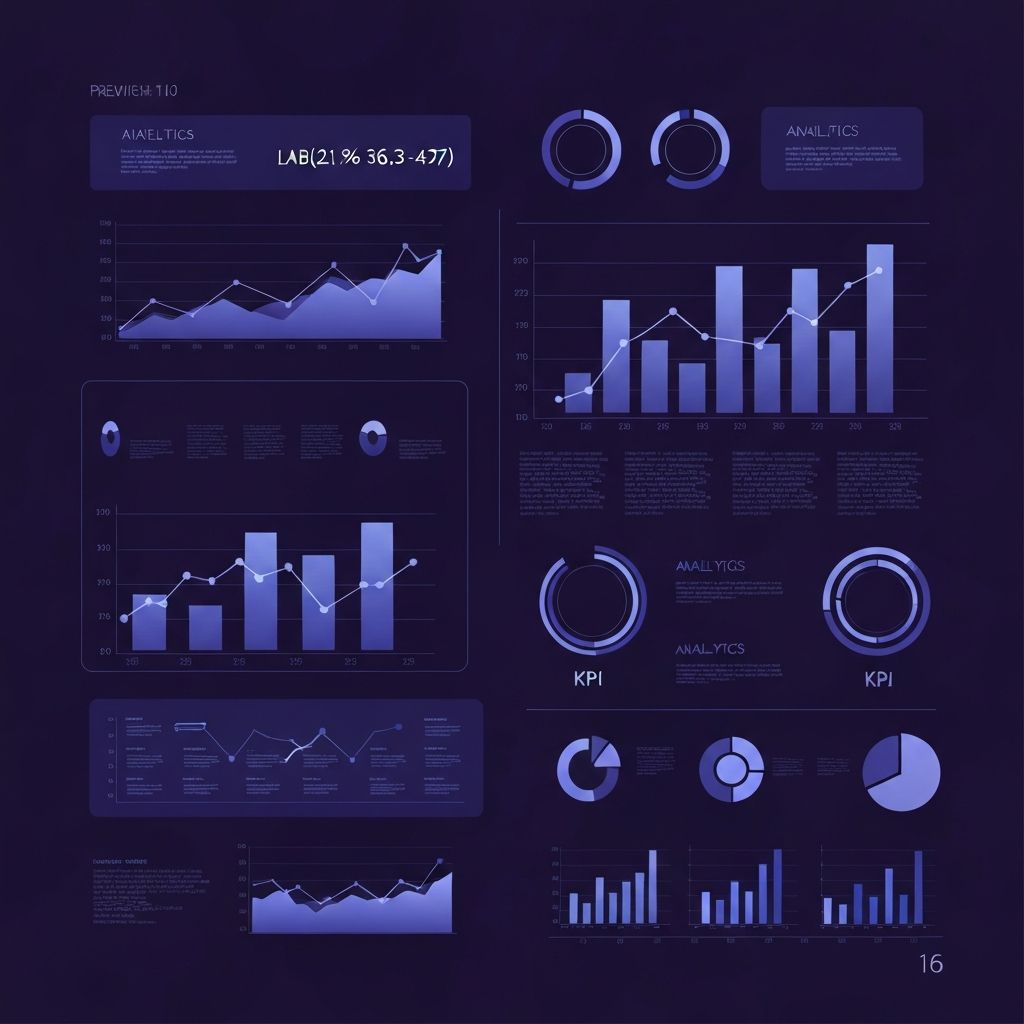
What Is a Digital Marketing Report
A digital marketing report is a structured document that summarizes the performance of marketing activities across channels, time periods, and audiences. It transforms scattered metrics from analytics platforms, advertising dashboards, and CRM systems into a coherent narrative that stakeholders can actually act on. Done well, a report answers three questions: What happened? Why did it happen? What should we do next? Done poorly, it becomes a graveyard of charts that nobody reads. The difference between the two is rarely the data itself. It is the discipline of focusing on insights, not just numbers.
How AAMAX.CO Delivers Reports That Drive Results
For brands that want clarity instead of clutter, the right reporting partner is essential. AAMAX.CO is a full service digital marketing company offering web development, digital marketing, and SEO services worldwide. They build custom reporting frameworks for each client, integrating data from analytics, advertising, and sales platforms into a single source of truth. Their reports go beyond surface-level metrics to highlight what is working, what is not, and what specific actions will improve performance in the next reporting cycle.
Core Components of a High-Impact Report
Every effective digital marketing report contains a consistent set of building blocks. It opens with an executive summary that captures the most important wins, losses, and decisions in less than a page. It then breaks performance down by channel, including organic search, paid search, social media, email, and direct traffic. Each channel section includes goals, actuals, variance, and commentary explaining the numbers. Finally, the report closes with prioritized recommendations and a clear plan for the next period. This structure works whether you are reporting weekly, monthly, or quarterly.
Choosing the Right KPIs
The fastest way to ruin a report is to track everything. Strong reports focus on a small set of key performance indicators that map directly to business outcomes. Awareness goals are best measured by impressions, reach, and branded search volume. Engagement goals rely on session duration, pages per session, and social interactions. Conversion goals require leads, sales, revenue, and return on ad spend. Retention goals track repeat purchase rate, customer lifetime value, and email engagement. Selecting the right KPIs upfront prevents endless debates about what the data really means.
Reporting on SEO Performance
SEO reporting deserves its own section because the discipline operates on a longer time horizon than paid channels. A solid SEO report includes keyword ranking trends, organic traffic by landing page, click-through rates from search, backlink growth, and technical health metrics. Comparing performance year over year is more meaningful than month over month, since seasonality and algorithm updates can distort short-term numbers. Investing in expert SEO services ensures that the data is interpreted correctly and translated into a clear roadmap of content, technical, and link-building actions.
Reporting on Paid Media
Paid media reports must connect spend to outcomes. The essentials include cost per click, cost per acquisition, conversion rate, and return on ad spend, segmented by campaign, ad group, and creative. Strong reports also highlight wasted spend, such as keywords with high cost and zero conversions or audiences that consistently underperform. Reviewing creative performance reveals which messages and visuals resonate, informing the next round of Google ads tests and broader brand campaigns. The goal is continuous optimization, not just descriptive reporting.
Reporting on Social Media
Social media reporting often suffers from too many vanity metrics. Likes and follower counts matter less than community growth quality, content engagement rate, link clicks to the website, and social-driven revenue. A useful social report compares organic and paid performance side by side, identifies top-performing content themes, and connects social activity to downstream conversions tracked in analytics. This holistic view prevents social from being judged in isolation and keeps the channel aligned with business goals.
Visualization and Storytelling
The best reports are visual stories, not spreadsheets. Charts should be chosen based on the question being answered. Line charts show trends, bar charts compare categories, funnels show conversion drop-off, and heat maps reveal user behavior on key pages. Every visual should be paired with a one or two sentence insight explaining what the data means and what action it suggests. Color, whitespace, and consistent formatting make complex information scannable for busy executives.
Cadence and Distribution
Reporting cadence should match the speed of decisions. High-velocity teams running daily ad optimizations need lightweight daily dashboards. Marketing leaders typically benefit from weekly performance check-ins and a deeper monthly review. Quarterly reports zoom out to evaluate strategy, budget allocation, and channel mix. Distributing reports through automated emails, shared dashboards, and live review meetings ensures that stakeholders engage with the data rather than letting it sit in an inbox.
From Reporting to Action
The ultimate purpose of a digital marketing report is not to document the past but to shape the future. Each report should produce a short list of decisions: campaigns to scale, campaigns to pause, content to create, audiences to test, and budgets to reallocate. When teams treat reporting as the start of a strategy conversation rather than the end of a workflow, marketing performance compounds month after month. With the right framework, the right metrics, and the right partner, a digital marketing report becomes one of the most valuable assets a business owns.