
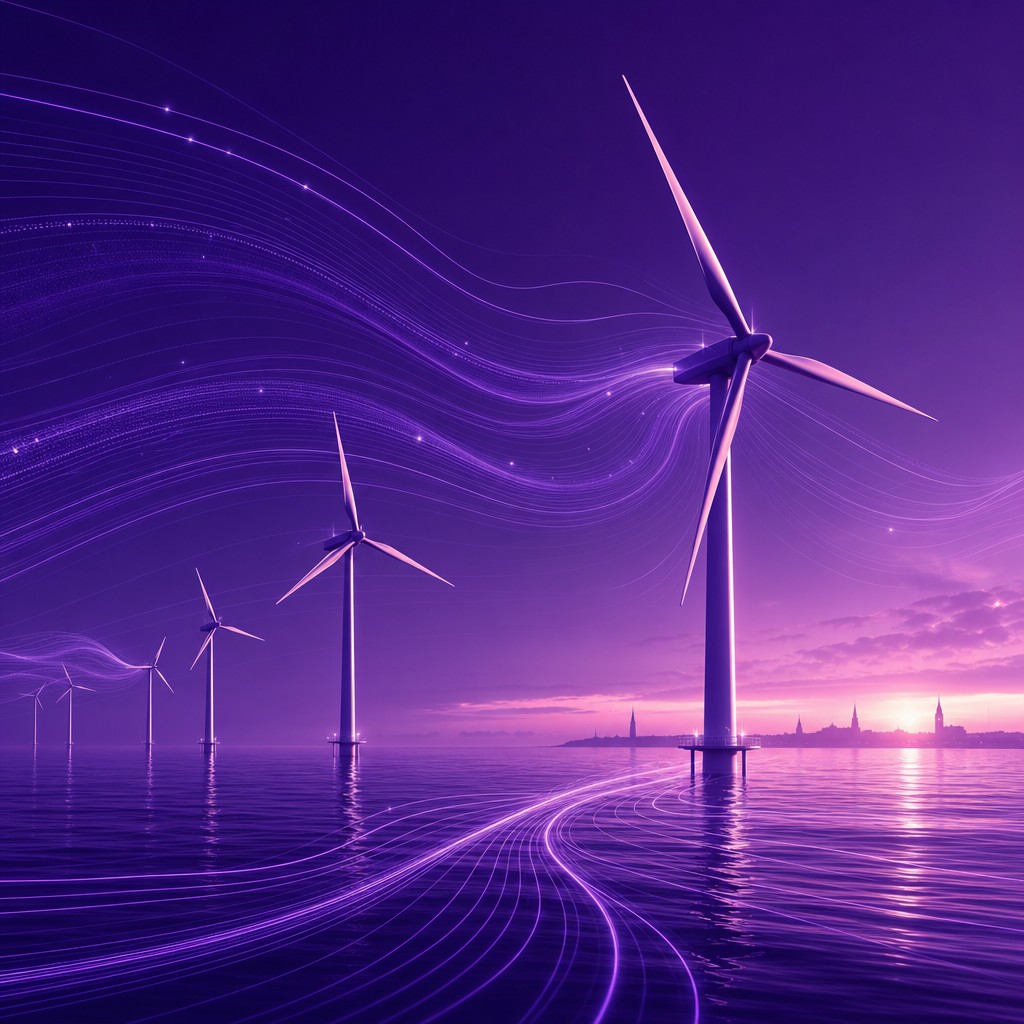
The Birthplace of Modern Wind Power
Denmark holds a unique place in the history of renewable energy as the birthplace of the modern wind industry. Danish engineers and entrepreneurs pioneered commercial wind turbines in the late twentieth century, and the country has never relinquished its leadership. Today wind supplies a remarkable proportion of Danish electricity, occasionally exceeding total domestic demand on especially gusty days. Behind this achievement is an ecosystem of world-leading companies that design, manufacture, install, and operate wind power across the globe. Their innovations have helped make wind the most cost-effective source of new electricity in many markets.
Why Denmark Dominates Wind Energy
Several factors explain Denmark's enduring dominance. Its windy coastline and shallow North Sea waters provide ideal conditions for both onshore and offshore turbines. Decades of stable, forward-looking policy gave companies the confidence to invest in research and capacity. A deep talent pool of engineers, technicians, and project developers grew up alongside the industry, supported by leading universities and research institutions. Perhaps most importantly, a culture of collaboration between manufacturers, utilities, and government created an environment where bold projects could succeed. This combination turned a small nation into the undisputed capital of wind.
Leading Wind Energy Companies
Vestas Wind Systems is the crown jewel of Danish wind, ranking among the largest turbine manufacturers in the world. With turbines installed in scores of countries and a vast service fleet, Vestas continually pushes the boundaries of turbine size, efficiency, and reliability. Its relentless innovation has driven down the cost of wind energy globally.
Orsted is the world's foremost developer of offshore wind farms, having transformed itself from a fossil-fuel utility into a clean energy champion. The company builds and operates enormous offshore projects across Europe, Asia, and North America, setting standards for the entire industry.
Siemens Gamesa, with major operations in Denmark, is another titan of turbine manufacturing, particularly strong in offshore technology. Stiesdal, founded by one of the original wind pioneers, develops innovative offshore foundations and floating turbine concepts. Eurowind Energy and Wind Estate develop and operate diversified wind portfolios, while European Energy combines wind development with solar and hydrogen.
Specialist firms add further depth. EnBW and similar developers partner on Danish offshore zones, while service companies maintain turbines throughout their decades-long lifespans. Component manufacturers producing blades, towers, and control systems form a vital supply chain, and consultancies export Danish project management know-how worldwide. Cooperatively owned ventures continue the tradition of community wind ownership that helped build public support for the technology.
Onshore and Offshore Wind
Danish companies excel across both onshore and offshore segments. Onshore wind, the original proving ground, continues to evolve with taller towers and larger rotors that capture more energy from moderate winds. Repowering, the replacement of older turbines with modern high-capacity machines, is extending the value of existing sites while reducing their number.
Offshore wind, however, is where Denmark's ambitions soar. The shallow, windy North Sea and Baltic Sea host vast farms whose turbines now rival skyscrapers in height. Floating wind technology, championed by firms like Stiesdal, promises to unlock deeper waters previously beyond reach. Denmark is even pioneering the concept of energy islands, artificial hubs that gather electricity from surrounding offshore farms and distribute it to multiple countries while supporting hydrogen production.
Innovation in Turbine Technology
Continuous innovation underpins the success of Danish wind companies. Engineers work to increase turbine capacity, improve aerodynamic blade design, and enhance reliability in harsh marine environments. Digitalisation plays a growing role, with sensors and predictive analytics enabling condition-based maintenance that maximises uptime and lowers costs. Advances in materials reduce weight and improve recyclability, addressing the challenge of turbine blade waste.
The integration of wind with storage, hydrogen production, and smart grids is another frontier. By converting surplus wind power into green hydrogen, companies can store energy and supply sectors that are difficult to electrify. This systems approach reflects Denmark's pioneering vision of a fully decarbonised, interconnected energy system.
Economic Impact and Global Influence
The wind industry is a powerhouse of the Danish economy, employing tens of thousands of people and generating substantial export earnings. Danish turbines, components, and expertise are sought across every continent, making wind one of the country's signature exports. The sector attracts foreign investment and reinforces Denmark's reputation as a hub of green innovation.
Globally, Danish companies shape the trajectory of the entire industry. Their technological breakthroughs, project standards, and policy insights influence how nations everywhere develop wind power. As countries race to meet climate targets, demand for Danish wind solutions continues to grow.
Powering a Sustainable Future
Denmark's wind energy companies embody the nation's pioneering spirit and unwavering commitment to sustainability. From the global manufacturing leadership of Vestas to the offshore mastery of Orsted and the visionary engineering of Stiesdal, these organisations are driving the worldwide transition to clean power. As turbines grow larger, offshore farms expand, and energy islands take shape, Denmark's wind champions will remain at the heart of the global energy transformation, proving once again that this small nation can deliver an outsized impact on the planet's clean energy future.