
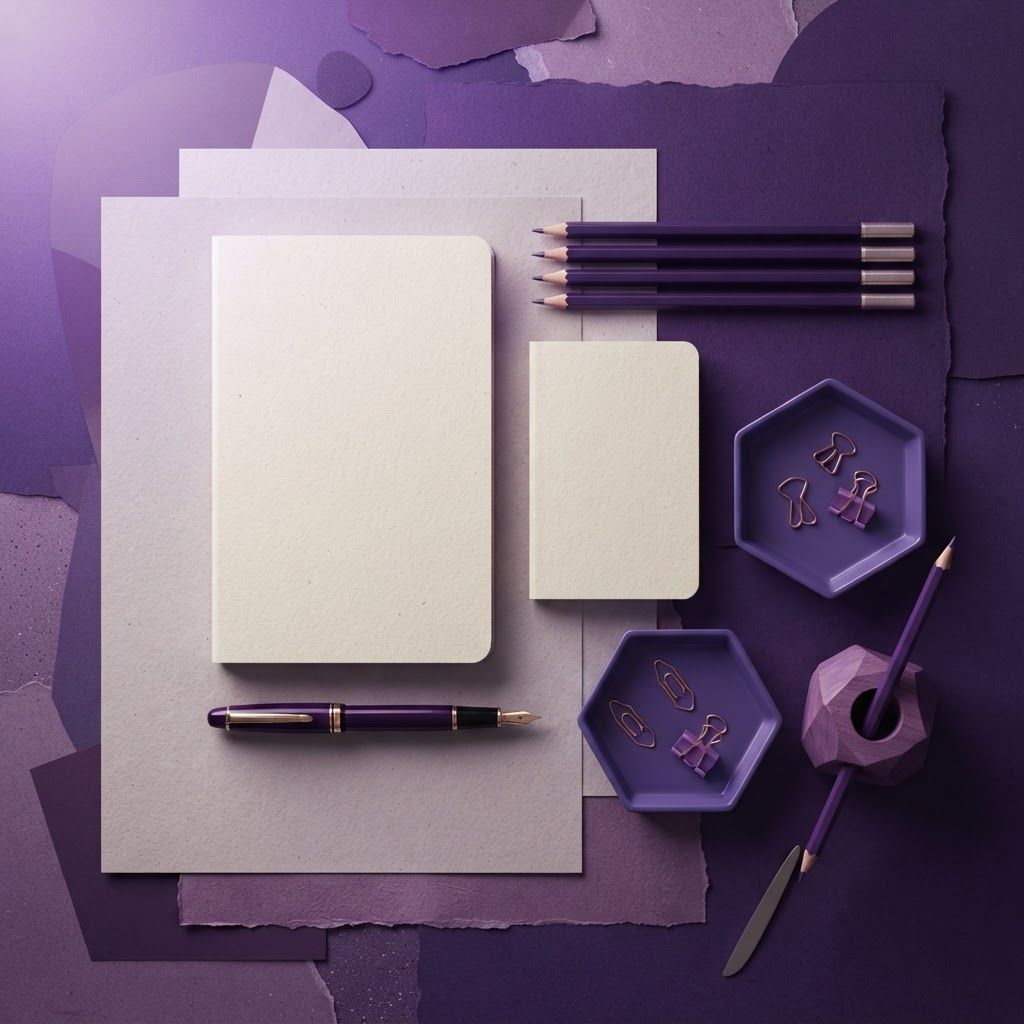
Why Stationery Still Thrives in a Digital City
It would be reasonable to assume that a city embedded in the technology industry would have abandoned paper. The opposite is true. Fremont supports a strong stationery market precisely because so many residents work in technical and analytical fields where sketching a circuit, working through a proof, mapping a system architecture or planning a week by hand remains faster and clearer than doing it on a screen.
Add a large K-12 and university student population, a substantial community of artists and hobbyists, and a cultural tradition of gifting quality writing instruments, and the demand becomes easy to understand. Local shoppers tend to be specific about their preferences too, caring about paper weight, ink bleed-through, grid spacing and pen feel in ways casual buyers do not.
What Makes Stationery Genuinely Good
For paper, the meaningful specifications are weight measured in grams per square meter, surface coating and sizing, and how the paper handles fountain pen ink, fineliners and markers. Heavier, well-sized paper resists feathering and show-through, which matters enormously for anyone who writes on both sides of a page. Binding quality determines whether a notebook lies flat, and lay-flat capability is one of the most underrated features in the category.
For pens, evaluate ink type, line consistency, dry time and comfort during extended writing. Gel inks offer smooth, dark lines but slower drying. Oil-based ballpoints dry fast and suit left-handed writers. Fountain pens provide the most comfortable experience for long sessions but require compatible paper. Refillability is both an economic and environmental consideration worth weighing.
1. Muji
Muji has a devoted following for good reason. Its notebooks, gel pens and desk accessories combine restrained design with genuinely good paper and reliable ink flow at modest prices. The recycled-paper notebooks are lightweight and practical for daily note-taking, while its aluminum and plastic pen bodies feel more substantial than their cost suggests. For everyday use without fuss, Muji is a dependable default.
2. Pilot
Pilot is arguably the most important pen manufacturer for practical purposes. Its gel pen lines are industry standards for smooth writing and consistent ink flow, its erasable pens are widely used by students, and its entry-level fountain pens offer an accessible introduction to the category with surprisingly good nibs. Refill availability across Fremont retailers makes long-term use easy.
3. Rhodia
Rhodia is the reference brand for paper quality. Its notepads and notebooks use exceptionally smooth, well-sized paper that handles fountain pen ink without feathering or bleed-through, which is rare at any price. Grid, dot grid and lined formats suit technical work particularly well, and the orange notepads have become a fixture on engineering desks. Value is strong given the paper quality.
4. Leuchtturm1917
Leuchtturm1917 notebooks are popular among planners and journalers thanks to numbered pages, built-in indexes, page markers and dot grid layouts. Construction is solid, the binding lies reasonably flat, and the paper handles most inks well. The format has become closely associated with structured note-taking systems, which suits Fremont's methodical professional culture.
5. Moleskine
Moleskine remains the most recognizable premium notebook brand, valued for its consistent sizing, elastic closure, ribbon marker and broad availability. Paper is thinner than specialist competitors, so fountain pen users should test before committing, but for pencil, ballpoint and light gel use it performs well. Its range of formats, including specialized planners and sketchbooks, makes it versatile.
6. Sakura
Sakura's Pigma Micron line has become essential for artists, architects, students and anyone doing detailed line work. Archival pigment ink resists fading and water, and the range of tip widths supports precise technical drawing and illustration. Its gel pens and art materials extend the range further, and the brand's reliability has made it a fixture in local art supply inventories.
7. Faber-Castell
Faber-Castell brings centuries of manufacturing heritage to pencils, colored pencils, artist pens and drawing supplies. Its graphite pencils are consistently graded and break-resistant, and its Polychromos colored pencils are among the finest available for serious illustration work. For students in art programs and for professionals who sketch regularly, the quality difference from budget alternatives is immediately noticeable.
8. Zebra
Zebra covers the practical everyday pen market with durable metal-bodied ballpoints, reliable gel pens and highlighters. Its mildliner highlighters have become widely popular for note annotation because the softer colors do not obscure text or bleed through thin paper. Build quality on its metal pen bodies is unusually good relative to price.
9. Kokuyo
Kokuyo produces notebooks, folders and organizational supplies with thoughtful engineering, including binding systems that allow pages to be added or rearranged. Its Campus notebooks are a staple for students, offering good paper at low cost, and its filing and storage products solve real desk organization problems rather than simply looking tidy.
10. Cross and Parker
For gifting and professional presentation, Cross and Parker remain the traditional choices. Their metal-bodied fountain, rollerball and ballpoint pens are refillable, repairable and designed for decades of use. In Fremont, where graduation, promotion and milestone gifting are culturally significant, a quality engraved pen remains one of the more meaningful practical gifts available.
Where to Buy in Fremont
Fremont shoppers have several good channels. Japanese and Asian variety retailers stock Muji, Pilot, Zebra and Kokuyo products at accessible prices with frequently rotating selections. Art supply stores serve the Sakura and Faber-Castell segment with the ability to test materials before buying. General office supply retailers cover bulk needs for offices and classrooms, and specialty pen retailers in the broader Bay Area serve fountain pen enthusiasts who want to test nibs in person.
Building a Practical Setup
Most people need fewer items than they buy but better ones. A single good notebook with paper suited to your preferred pen, two or three pens matched to different tasks, a reliable pencil for sketching and revision, and a small set of highlighters covers nearly all daily requirements. Students should prioritize paper that handles highlighting without bleed-through, engineers benefit from grid or dot layouts, and artists should invest in archival inks and quality paper rather than large quantities of mid-grade supplies.
Sustainability Considerations
Stationery generates significant waste, and refillable options meaningfully reduce it. Choosing pens with widely available refills, notebooks with recycled paper content, and mechanical pencils over disposables cuts long-term consumption. Many premium brands also repair rather than replace, which extends product life considerably. Buying deliberately and using items fully is more sustainable than repeatedly buying inexpensive alternatives.
Final Thoughts
Fremont's stationery market reflects a city that still values thinking on paper. Muji and Kokuyo serve everyday practicality, Rhodia and Leuchtturm1917 lead on paper quality, Pilot and Zebra dominate reliable writing instruments, and Sakura and Faber-Castell anchor artistic work. Identify your primary use case, test paper and pen combinations together, and invest in the small number of items you will actually use daily.