
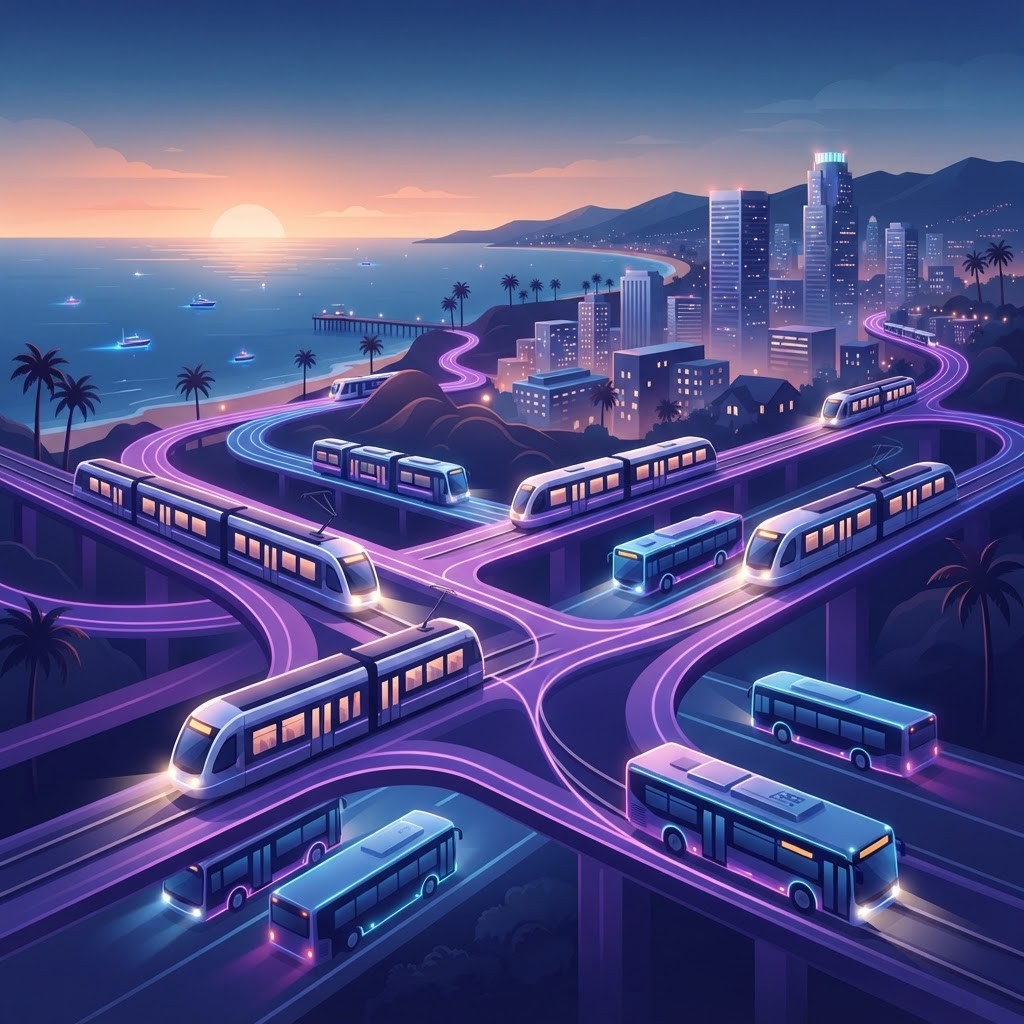
Getting Around America's Finest City
San Diego is a sprawling coastal metropolis where beaches, canyons, and dense urban neighborhoods sit side by side. Navigating this geography without relying solely on a car is easier than many newcomers expect, thanks to a mature network of public transit services. From electric trolleys gliding through downtown to commuter trains hugging the Pacific coastline, the region offers a range of options that balance affordability, sustainability, and convenience. Understanding which services exist and how they connect can transform the daily commute from a source of stress into a smooth, predictable routine.
Public transit in San Diego has evolved significantly over the past two decades. Investments in clean-energy vehicles, expanded rail corridors, and integrated fare technology have made the system more attractive to commuters, students, and visitors alike. Below, we explore ten of the most trusted transit services and organizations shaping mobility across the county.
1. San Diego Metropolitan Transit System (MTS)
The Metropolitan Transit System is the backbone of public transportation in the region. Operating the iconic red San Diego Trolley alongside an extensive bus fleet, MTS connects downtown, Mission Valley, the border community of San Ysidro, and countless neighborhoods in between. Its reputation rests on frequent service, growing electrification efforts, and a commitment to accessibility for riders of all abilities.
2. North County Transit District (NCTD)
Serving the northern reaches of the county, the North County Transit District operates the COASTER commuter rail, the SPRINTER light rail, and the BREEZE bus network. NCTD is prized by coastal commuters traveling between Oceanside, Carlsbad, Encinitas, and downtown San Diego, offering scenic rides and reliable schedules that ease pressure on the Interstate 5 corridor.
3. The San Diego Trolley
As a flagship MTS service, the San Diego Trolley deserves special recognition. With its Blue, Orange, and Green lines, the trolley provides fast, frequent connections to major destinations including Santa Fe Depot, San Diego State University, and the U.S.-Mexico border. The recent extension into the University City and La Jolla area expanded access to employment centers and campuses, cementing the trolley's role in regional growth.
4. COASTER Commuter Rail
The COASTER offers one of the most beautiful commutes in Southern California, tracing the shoreline between Oceanside and downtown San Diego. Business travelers and coastal residents appreciate its comfortable cars, predictable timetables, and stress-free alternative to freeway congestion. It stands out as a premium option for longer regional trips.
5. SPRINTER Light Rail
Connecting Oceanside and Escondido, the SPRINTER links inland communities with employment hubs, colleges, and shopping districts. Its east-west orientation complements the north-south coastal services, giving North County residents a well-rounded transit grid.
6. MTS Rapid Bus Service
The Rapid brand represents MTS's answer to modern bus rapid transit. With limited stops, dedicated lanes in key corridors, and sleek stations, Rapid routes deliver faster travel times along high-demand corridors such as the South Bay and Mid-City. Commuters value the blend of speed and affordability.
7. FRED Free Shuttle
Free Ride Everywhere Downtown, known as FRED, provides complimentary electric shuttle service throughout the urban core. Ideal for short hops between the Gaslamp Quarter, Little Italy, and the waterfront, FRED reduces the need for parking and supports the city's push toward zero-emission mobility.
8. Amtrak Pacific Surfliner
While regional in scope, the Amtrak Pacific Surfliner is a vital connector for San Diego residents traveling to Los Angeles, Santa Barbara, and points north. Its spacious seating, onboard amenities, and coastal views make it a favorite for both leisure travelers and intercity commuters.
9. Flexible On-Demand Microtransit
Emerging microtransit pilots in the region provide app-based, on-demand shuttle rides within defined zones, bridging the gap between fixed routes and final destinations. These services address the classic first-mile and last-mile challenge, helping riders reach trolley and rail stations more easily.
10. Regional Paratransit Services
Accessibility is central to San Diego's transit mission. Paratransit programs offer door-to-door service for riders with disabilities who cannot use fixed-route options. These specialized services ensure that mobility remains inclusive for the entire community.
Trends Shaping Transit in San Diego
Several trends are redefining how San Diegans move. Electrification is accelerating, with agencies committing to cleaner fleets and reduced emissions. Contactless payment and unified mobile ticketing have simplified fare collection, allowing riders to tap and go across multiple services. Transit-oriented development is also reshaping neighborhoods, clustering housing and offices near stations to encourage car-free living.
Why Public Transit Matters Here
Beyond convenience, public transit delivers meaningful benefits to the region. It reduces traffic congestion on notoriously busy freeways, lowers household transportation costs, and shrinks the collective carbon footprint of a growing population. For students, seniors, and workers without cars, these services provide essential access to education, employment, and healthcare.
Choosing the Right Service
The best transit choice depends on your route and lifestyle. Coastal commuters often favor the COASTER, while downtown workers rely on the trolley and Rapid buses. Visitors exploring the urban core may find FRED and the trolley perfectly suited to their needs. By combining services and taking advantage of integrated fare passes, riders can craft efficient, affordable journeys across the entire county.
Final Thoughts
San Diego's public transit landscape reflects a city investing in a smarter, greener future. With MTS and NCTD anchoring the network and innovative options like microtransit and free downtown shuttles filling the gaps, residents and visitors have more reasons than ever to leave the car at home. As the system continues to expand and modernize, public transit is poised to remain a cornerstone of sustainable mobility in America's Finest City.