
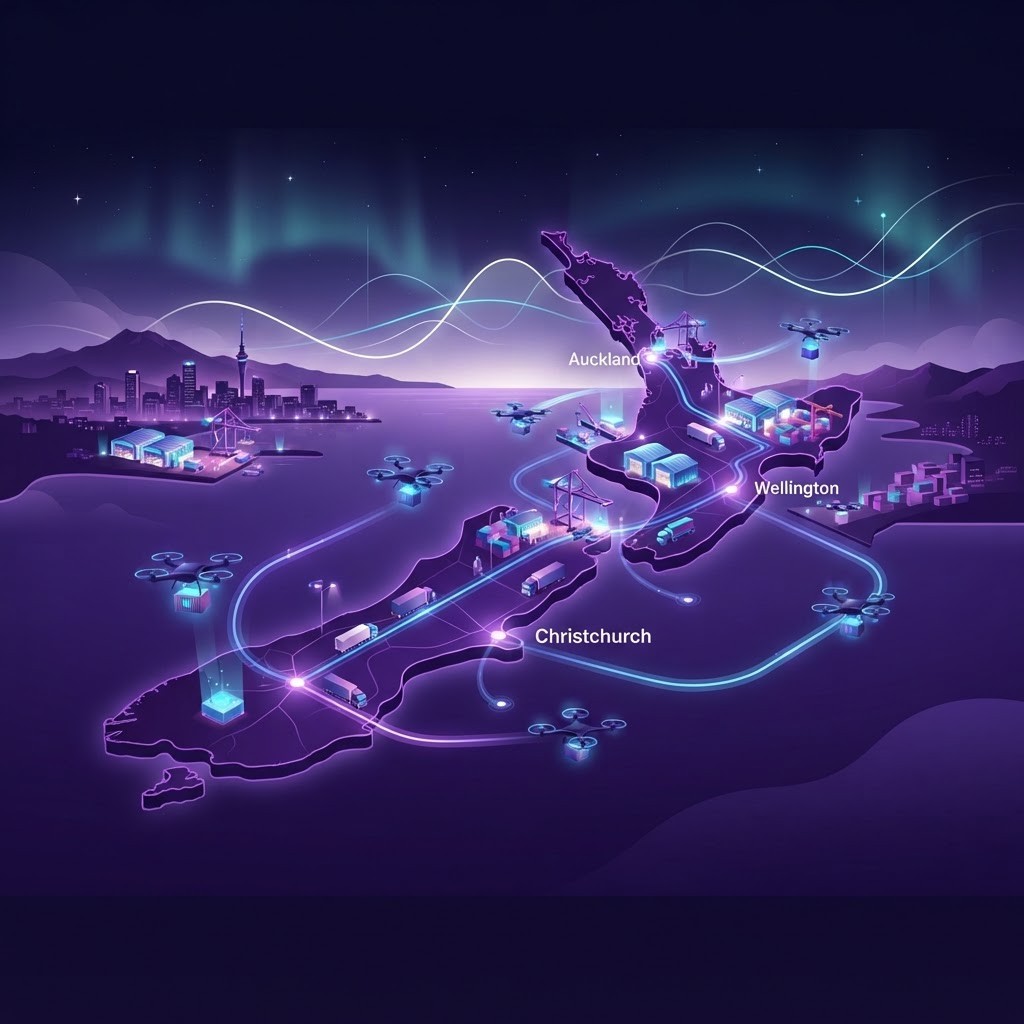
The Engine of Modern Commerce
Logistics is the invisible engine that powers New Zealand's economy, coordinating the movement, storage, and distribution of goods with precision and efficiency. In an increasingly connected world, effective logistics management is essential for businesses to compete, meet customer expectations, and manage costs. New Zealand's logistics sector encompasses warehousing, distribution, freight forwarding, supply chain management, and third-party logistics, supported by companies that bring together expertise, technology, and extensive networks.
The growth of e-commerce, globalisation, and consumer demand for fast delivery has elevated the importance of sophisticated logistics solutions. Leading providers offer end-to-end services that streamline complex supply chains, enabling businesses to focus on their core operations while their logistics partners handle the intricacies of getting products where they need to be.
Industry-Leading Logistics Providers
Mainfreight stands out as New Zealand's flagship logistics company, having evolved from a domestic freight operator into a global supply chain leader. Its comprehensive services span warehousing, transport, and international logistics, backed by a strong culture and a reputation for reliability. Mainfreight's integrated approach allows it to manage entire supply chains, making it a preferred partner for businesses of all sizes.
Other major players include Fliway, NZ Post with its parcel and logistics division, and international firms such as DHL and Kuehne + Nagel, which operate significant local networks. These companies combine global reach with local knowledge, offering businesses access to worldwide markets alongside efficient domestic distribution.
Third-Party Logistics and Warehousing
Third-party logistics, or 3PL, has become an increasingly important segment as businesses outsource their supply chain functions to specialists. Providers in this space manage warehousing, inventory, order fulfilment, and distribution on behalf of their clients, offering scalability and expertise that would be costly to develop in-house. This model is particularly valuable for e-commerce businesses experiencing rapid growth.
Modern warehousing facilities across major hubs such as Auckland, Hamilton, and Christchurch increasingly feature automation, sophisticated inventory management systems, and strategic locations near ports and transport corridors. These capabilities enable faster order processing, accurate stock control, and efficient distribution, meeting the demands of today's fast-paced commerce.
Freight Forwarding and International Trade
For a trading nation like New Zealand, freight forwarding is a critical logistics function. Freight forwarders coordinate the complex process of moving goods across borders, handling customs clearance, documentation, shipping arrangements, and compliance. Companies such as Kuehne + Nagel, DHL Global Forwarding, and local specialists provide the expertise needed to navigate international regulations and optimise shipping routes.
These services are indispensable for exporters of dairy, meat, produce, and manufactured goods, as well as importers bringing products into the country. Skilled freight forwarders help businesses reduce delays, manage risk, and control costs in an often unpredictable global trade environment.
Technology Transforming Logistics
Technology is reshaping the logistics industry at a remarkable pace. Advanced software for route optimisation, real-time tracking, and inventory management enables providers to deliver greater efficiency and transparency. Data analytics and automation help companies anticipate demand, reduce waste, and improve decision-making across the supply chain.
Emerging technologies such as warehouse robotics, artificial intelligence, and integrated digital platforms are further enhancing capabilities. Customers increasingly expect visibility into their shipments and rapid delivery, and logistics companies that invest in these innovations gain a significant competitive advantage. This digital transformation is a defining trend shaping the sector's future.
Sustainability in the Supply Chain
Sustainability has become a central concern for logistics providers and their clients alike. Companies are adopting greener practices, including fuel-efficient fleets, electric vehicles, optimised routing to reduce emissions, and a shift toward rail and coastal shipping where feasible. Sustainable warehousing, energy-efficient facilities, and reduced packaging waste also contribute to lower environmental impact.
These initiatives reflect both regulatory pressures and growing customer expectations around responsible business practice. Logistics companies that embrace sustainability not only reduce their footprint but also strengthen their appeal to environmentally conscious partners and consumers.
Choosing the Right Logistics Partner
Selecting a logistics provider requires careful evaluation of a company's capabilities, network, technology, and service quality. Businesses should consider whether a provider can scale with their growth, offer the specific services they require, and deliver the reliability their customers expect. Strong communication, transparent pricing, and a proven track record are essential indicators of a dependable partner.
For companies engaged in international trade, global reach and customs expertise are crucial, while e-commerce businesses may prioritise fulfilment speed and warehousing flexibility. The right partnership can transform a supply chain from a cost centre into a genuine competitive advantage.
Final Thoughts
New Zealand's logistics companies play an indispensable role in keeping commerce flowing smoothly, from local deliveries to global exports. Providers such as Mainfreight, NZ Post, and international leaders like DHL and Kuehne + Nagel combine expertise, technology, and extensive networks to meet the demands of a modern economy. As innovation and sustainability continue to reshape the industry, these logistics partners remain vital to the success of businesses navigating an increasingly complex and interconnected world.