
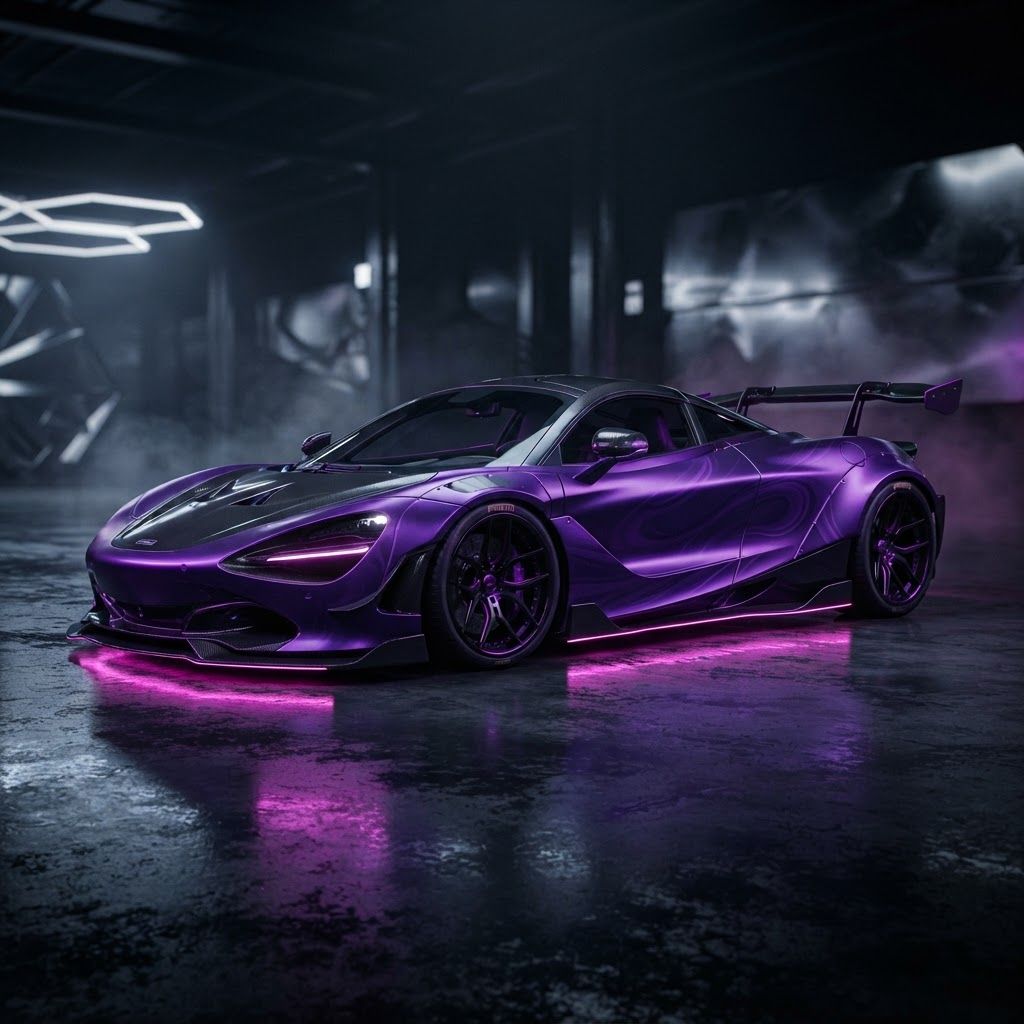
The Character of the Little Rock Custom Scene
Vehicle customization in Central Arkansas reflects the region itself. Truck and off-road modification carries enormous weight because so many owners genuinely use their vehicles for hunting, fishing, towing, and rural property access. Alongside that sits a serious classic and muscle car restoration community, a growing import performance scene, and an audio integration culture with deep Southern roots.
What separates a good customization shop from a mediocre one is rarely equipment. It is judgment about how modifications interact, willingness to explain tradeoffs honestly, and the discipline to sequence work so that later stages do not require undoing earlier ones. The categories below represent where that expertise concentrates locally.
1. Vinyl Wrap and Paint Protection Shops
Vinyl wrapping has largely displaced repainting for owners who want a color change without permanence. A quality wrap uses cast vinyl rather than calendared film, involves complete disassembly of handles, mirrors, badges, and trim so edges tuck rather than terminate on the surface, and takes several days rather than several hours.
In the Arkansas climate, installation environment matters. Wraps applied in dusty or humid conditions trap contamination and lift at edges. Shops with controlled installation bays and post-heating protocols produce wraps that last five years or more, while rushed work fails within one. Paint protection film on high-impact areas is frequently combined with wrap work, and the same preparation discipline applies.
2. Window Tinting Specialists
Tinting is the most common first modification and the one most often done badly. Cheap dyed film turns purple and bubbles within two Arkansas summers because ultraviolet exposure breaks down the dye layer. Carbon and ceramic films resist that degradation and, in the case of ceramic, reject substantially more infrared heat, which is a meaningful comfort difference in July.
Arkansas regulates visible light transmission by window position, and reputable shops know current limits and advise accordingly rather than installing whatever a customer requests. Professional installation involves computer-cut patterns or careful hand cutting off the vehicle, heat shrinking for curved rear glass, and a controlled clean environment.
3. Car Audio and Electronics Integration
Audio work has evolved from box building into systems integration. Modern vehicles route audio through networked amplifiers tied to chassis systems, meaning a head unit swap can disable steering wheel controls, safety chimes, and driver assistance features. Competent shops use integration modules and digital signal processors to add capability without breaking factory functions.
The most valuable audio investment is usually not raw power but sound deadening and proper speaker mounting. Treating door skins and floor pans reduces road noise and dramatically improves midbass response, often delivering more perceived improvement than an amplifier upgrade. Shops that recommend deadening before amplification are generally the ones that understand acoustics.
4. Truck Accessory and Lift Kit Installers
Truck modification is the largest single segment in the Central Arkansas market. Suspension lifts, leveling kits, oversized tires, bumpers, winches, bed liners, tonneau covers, and lighting all fall here, and the interaction between them is where expertise shows.
A lift changes driveline angles, steering geometry, brake proportioning behavior, and headlight aim. Quality installers address these consequences with correct pinion angle correction, extended brake lines, drop pitman arms or steering correction where required, and headlight realignment. They also discuss honestly how larger tires affect braking distance, fuel economy, and transmission load, and recommend regearing when tire diameter increases substantially.
5. Off-Road and Overland Outfitters
Distinct from general truck accessories, off-road outfitting builds vehicles for actual trail and backcountry use. This means recovery points rated for real loads, skid plates protecting drivetrain components, articulation-focused suspension rather than lift height, appropriate tire compounds, auxiliary lighting, dual battery systems, and rooftop or bed camping infrastructure.
Given the trail access available across the Ouachita and Ozark national forests, this segment has grown steadily. The best outfitters ask where a customer actually drives and build accordingly, which frequently means a more modest and more capable vehicle than the customer initially imagined.
6. Performance Tuning and Engine Work
Performance shops span from bolt-on intake and exhaust installation with electronic tuning to full forced induction builds and engine assembly. The critical distinction is whether a shop performs custom tuning on a dynamometer or simply loads generic calibration files.
Custom tuning accounts for the specific combination of components, local fuel quality, and Arkansas ambient conditions, which matters because a calibration developed in a cooler climate can run dangerously lean in summer heat. Shops with in-house dynamometers and datalogging discipline protect engines that generic tunes endanger. Honest performance shops also refuse mismatched combinations rather than taking the money.
7. Wheel and Tire Specialists
Wheel and tire selection is the modification with the largest visual impact and the most frequent technical mistakes. Offset and backspacing determine whether a wheel clears suspension components and fills the arch correctly, load rating must match vehicle requirements especially on trucks, and overall diameter changes affect speedometer calibration and transmission shift behavior.
Quality specialists measure clearances, verify hub bore fitment rather than relying on adapter rings, and use proper torque procedures with a retorque check after initial driving. They also advise on tire compound tradeoffs, since aggressive off-road tread patterns generate significant road noise and wear rapidly on the highway mileage typical of Little Rock commuting.
8. Interior Customization and Upholstery
Interior specialists handle leather and vinyl reupholstery, custom stitching, headliner replacement, dash restoration, carpet and floor treatment, and steering wheel rewrapping. This trade requires genuine craft skill and is one area where local shops with long tenure hold real advantage over newer operations.
Interior work is also the highest-return modification for daily enjoyment, since occupants interact with it constantly. On restoration projects, interior authenticity often determines valuation more than mechanical detail.
9. Classic Car Restoration Shops
Central Arkansas has a strong classic and muscle car community, and local restoration shops handle metal fabrication, rust repair, panel replacement, chassis work, period-correct drivetrain rebuilds, and refinishing. Restoration divides into concours-correct work reproducing factory specification exactly, restomod builds combining classic bodies with modern drivetrains and comfort systems, and preservation work stabilizing an original vehicle.
Restoration is a long-timeline, high-cost undertaking, and the shops that satisfy customers are the ones that document progress thoroughly, bill transparently against agreed scope, and set realistic expectations at the outset.
10. Lighting and Auxiliary Electrical Specialists
Lighting modification has become technically involved. Retrofitting projector housings, upgrading to properly engineered light-emitting diode assemblies rather than drop-in bulbs that scatter light, installing auxiliary bars and pods with correct relays and switching, and integrating accessory circuits with appropriate fusing all require electrical discipline. Poor lighting work creates glare that endangers other drivers and electrical faults that surface months later as intermittent gremlins.
Sequencing a Build Correctly
The most common and most expensive customization mistake is order of operations. Paint and wrap work should follow body modifications, not precede them. Suspension and wheel decisions should precede fender and bumper work, since clearance requirements change. Sound deadening should precede audio installation because panels come apart anyway. Engine and drivetrain work should precede tuning. Interior work should come last, after any process that generates dust or requires trim removal.
Budget allocation deserves equal discipline. Reliability and safety modifications like brakes, tires, cooling, and suspension should be funded before cosmetic work, particularly on a vehicle whose power output has increased.
Evaluating a Customization Shop
Ask to see completed work in person rather than in photographs, since panel gaps, wrap edges, wiring routing, and stitching quality all photograph better than they inspect. Ask what warranty covers the installation labor separately from the part warranty. Ask how the shop handles a modification that interferes with a factory warranty claim, because a shop that pretends this never happens is not being straight. And ask for a written scope with itemized parts and labor before any work starts.
Final Thoughts
Little Rock offers real depth across every customization discipline, from wrap and tint work to serious restoration and off-road fabrication. The shops that build lasting reputations here share a common trait: they treat a vehicle as an integrated system and refuse work that compromises it. Choosing that kind of shop, and sequencing the build sensibly, is what separates a finished vehicle from a permanent project.