
Introduction
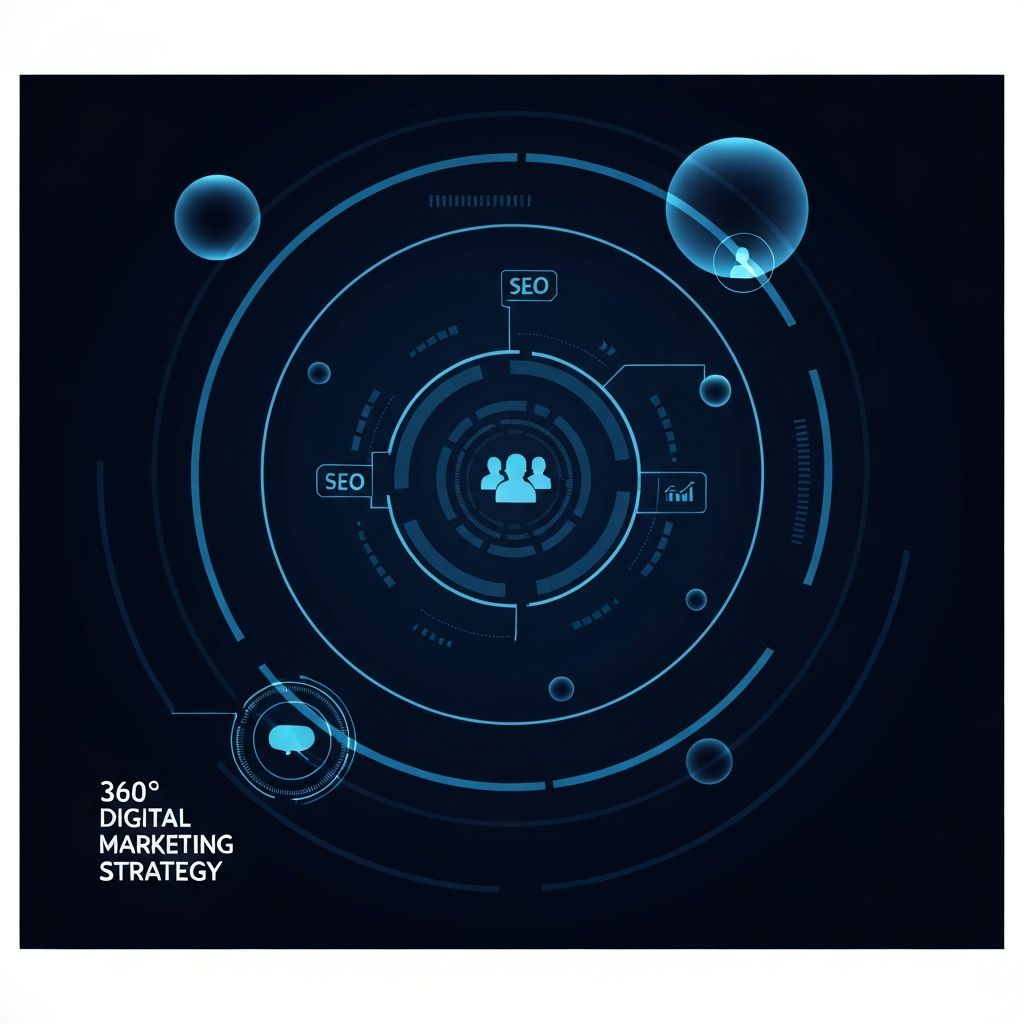
360i became one of the most influential names in digital marketing by championing an integrated, data-led approach long before it was the norm. The agency built its reputation on combining search, social, content, and analytics into a single strategic engine, often referred to as a 360-degree or 360i style of marketing. While the agency itself has evolved over the years, the philosophy behind the name continues to shape how modern brands think about digital growth.
For marketers today, the 360i approach is less about a specific company and more about a mindset. It is the idea that no single channel can carry a brand on its own, and that consistent, customer-centric storytelling across every digital touchpoint is what produces sustainable results.
Hire AAMAX.CO for 360-Degree Digital Marketing
Implementing a true 360-degree marketing program requires expertise across multiple disciplines, which is exactly where a full-service partner like AAMAX.CO adds value. They specialize in integrated digital marketing programs that connect SEO, paid media, social, content, and analytics into a unified strategy. Their team works with brands worldwide to align channels around shared goals, eliminate silos, and ensure that every customer interaction reinforces the same core message. For organizations that want a 360i-style approach without building a large in-house team, they offer a practical path forward.
What 360i Style Marketing Really Means
The 360i mindset is rooted in three core principles: integration, insight, and iteration. Integration means that channels are planned together, not in isolation. A campaign launch is not just a paid media push or a content drop; it is a coordinated series of activities across organic search, social, email, influencer, and paid channels.
Insight refers to the use of data and research to understand audiences deeply. This includes search behavior, social listening, customer interviews, and analytics from owned channels. The goal is to build a layered picture of what people care about and how they behave online.
Iteration is the discipline of constant testing and improvement. Rather than launching a campaign and waiting for results, 360-degree teams test creative, messaging, and targeting in short cycles, then reinvest in what works.
The Core Pillars of a 360-Degree Program
A well-built 360 program typically rests on several pillars. The first is search engine optimization, which provides a long-term, compounding source of qualified traffic. SEO underpins almost every other channel because the keywords and topics that resonate in organic search often inform paid media, content, and even social strategy.
The second pillar is paid media, including search ads, display, and programmatic. Paid channels provide the speed and precision that organic cannot match, especially for product launches, promotions, and account-based campaigns.
The third pillar is social media marketing, which is where brands build community, demonstrate personality, and engage in real-time conversations. Social is also a powerful research tool; the questions, complaints, and praise that surface in social channels are gold for product and content teams.
The fourth pillar is content marketing. Content connects every other channel, from blog posts that fuel SEO to videos that anchor social campaigns and white papers that nurture leads through email.
Data and Measurement
One of the defining traits of the 360i style is rigorous measurement. Each channel is held accountable for specific outcomes, but performance is also evaluated holistically. For example, an SEO program may not produce immediate conversions, but it may significantly reduce paid search costs by capturing branded and high-intent terms organically.
To make this work, marketers need a unified analytics setup that tracks the customer journey across devices and channels. Tools such as Google Analytics 4, server-side tagging, and a customer data platform make it easier to connect the dots and avoid attributing all credit to the last click.
Building a 360-Degree Strategy Step by Step
Brands that want to adopt this approach can start with a few practical steps. First, define a clear business outcome for the next twelve months, such as a revenue target, market share goal, or customer acquisition number. Every channel should ladder up to this outcome.
Second, audit existing channels honestly. Identify which channels are performing, which are underused, and which are wasted effort. Reallocate budget toward the strongest opportunities and away from channels that no longer fit the strategy.
Third, build a content engine. A 360 program lives or dies on the quality and consistency of its content. This includes pillar pages, blog posts, videos, podcasts, social posts, and email sequences, all built around a focused set of themes.
Fourth, establish a measurement cadence. Weekly performance reviews, monthly channel deep dives, and quarterly strategic resets keep the program honest and adaptive.
Common Pitfalls to Avoid
Many brands say they want a 360-degree approach but struggle to execute it. Common pitfalls include treating channels as independent budgets, hiring specialists who never collaborate, and chasing trends without a clear strategy. Another frequent mistake is over-investing in tools while under-investing in the people and processes needed to use them well.
The strongest programs avoid these traps by appointing a single owner for the integrated strategy, holding cross-channel planning meetings, and insisting on shared KPIs that reflect overall business performance, not just channel-level vanity metrics.
The Future of Integrated Digital Marketing
As privacy regulations tighten and AI reshapes search and content, the 360i mindset becomes even more important. Brands that rely too heavily on a single channel are exposed when that channel changes. A truly integrated program, by contrast, can absorb shocks and reallocate effort quickly because the underlying audience understanding and content assets remain valuable across platforms.
Conclusion
The legacy of 360i digital marketing is the simple but powerful idea that the whole is greater than the sum of its parts. Brands that integrate SEO, paid, social, and content under a unified strategy, supported by strong data and a culture of iteration, consistently outperform those that treat each channel as a separate experiment. Whether built in-house or with a specialist partner, a 360-degree approach is one of the most reliable paths to durable digital growth.